Aman Mishra is a Biotechnology graduate, digital marketer, and content creator with expertise in sustainability, environmental awareness, and online publishing. He is the founder of EcoLaw, a platform dedicated to sharing practical insights on environmental issues, eco-friendly products, sustainable living, and green innovations. With experience in content creation, website development, and digital marketing, Aman strives to make complex environmental topics accessible and engaging for readers worldwide.
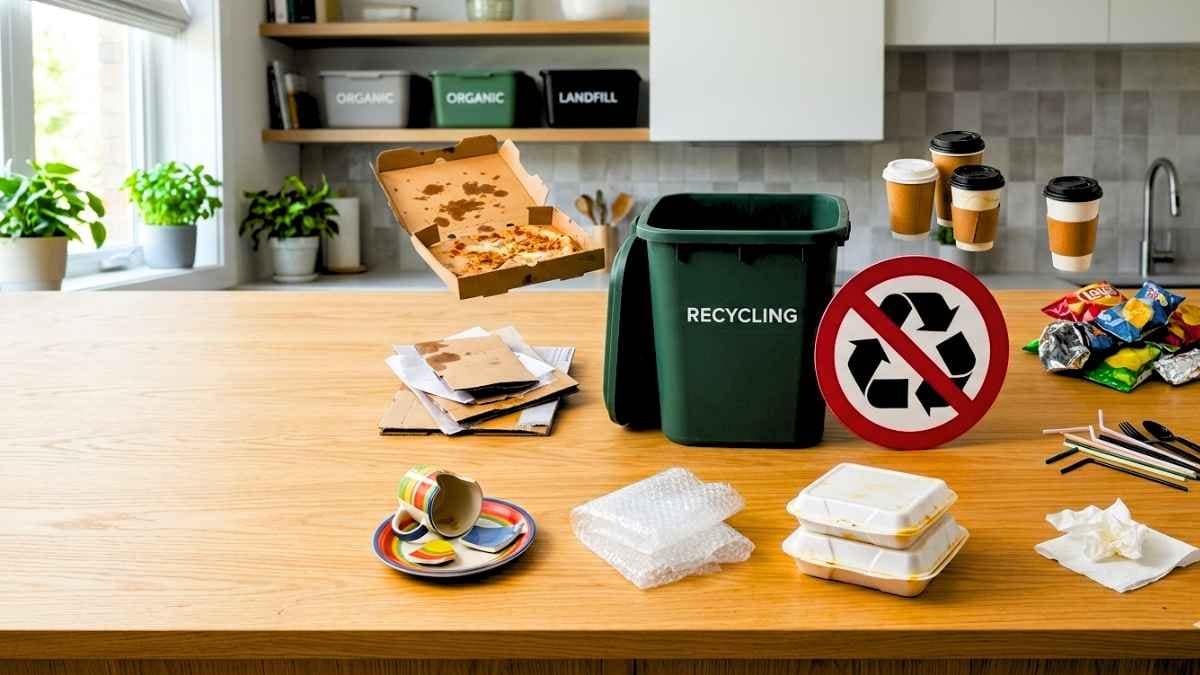
25 THINGS THAT AREN’T RECYCLABLE is common household items that cannot be recycled include aerosol cans, batteries, diapers, and styrofoam due to hazardous materials, contamination, or lack of processing infrastructure.
Advertisement
Only 9% of plastic is recycled globally — and most of that failure comes down to one simple problem: people placing the wrong items in recycling bins. Every year, millions of households unknowingly contaminate their recycling loads with items that look recyclable but legally and technically are not.
The result is costly. Contaminated recycling loads get sent to landfills. Municipalities face regulatory fines. And the environmental damage compounds quietly in the background.
This guide covers 25 things not recyclable in 2026, the specific laws that govern their disposal, and exactly what you should do with each item instead. Whether you’re a homeowner in Delhi, a business in California, or a supply chain manager in the EU, these rules apply to you.
Table of Content
Table of Contents
What the Experts Say About Non-Recyclable Items 2026
“Misidentifying recyclable materials isn’t just an environmental error — it’s increasingly a legal one. Regulatory bodies in India, the EU, and the US are expanding enforcement to include household-level violations.”
— Aditi Raghunathan
Environmental and Waste Management Lawyer, New Delhi (LLM, National Law School of India University)
“Misidentifying recyclable materials isn’t just an environmental error — it’s increasingly a legal one. Regulatory bodies in India, the EU, and the US are expanding enforcement to include household-level violations.”
— Aditi Raghunathan
Environmental and Waste Management Lawyer, New Delhi (LLM, National Law School of India University)
“Contamination of recycling streams costs municipalities billions annually. Most of this is caused by well-meaning people placing non-recyclable items in the wrong bin.”
— Marcus T. Ellison
Environmental Compliance Attorney, Washington D.C. (Certified Hazardous Materials Manager, CHMM)
“The introduction of Indian Battery Management Rules 2023 and the Plastic Waste Management Amendment Rules signals a clear direction: stricter accountability, starting at the consumer level.”
— Priya Subramaniam
Partner, GreenLegal Associates, Mumbai (ISO 14001 Lead Auditor)
25 Things Not Recyclable in 2026
1. Aerosol Cans
Getty Images
Can I recycle aerosol cans?
No.
Aerosol cans are classified as hazardous material under EPA 40 CFR §63 due to their pressurized contents and chemical residue.
Even after use, residual propellants and chemicals make aerosol cans a fire and contamination risk in standard recycling facilities. Puncturing or crushing them before disposal is illegal in most jurisdictions.
Disposal alternative:
Take fully empty cans to a certified household hazardous waste (HHW) collection facility. In India, contact your municipal solid waste authority under the Solid Waste Management Rules 2016.
2. Batteries (All Types)
Getty Images
Can I recycle batteries in my curbside bin?
No.
All batteries — lithium-ion, alkaline, lead-acid, and button cell — are classified as hazardous waste and must be separately collected.
Batteries contain heavy metals including lead, mercury, cadmium, and lithium, which can leach into soil and groundwater when landfilled or mixed with general recycling. India’s Battery Management and Handling Rules 2023 mandate separate collection and producer take-back programs.
Disposal alternative:
Return batteries to the retailer or manufacturer under Extended Producer Responsibility (EPR) programs. In the United States, use Call2Recycle drop-off locations.
3. Yogurt Cups
Pintrest
Can I recycle yogurt cups?
No.
Plastics labelled #3 through #7 are not accepted by most municipal recycling programs worldwide.
These plastics require specialized processing equipment that most facilities do not have. Placing them in recycling bins causes contamination of the entire load. The EU Waste Framework Directive 2018/851 identifies these materials as requiring separate management streams.
Disposal alternative:
Check manufacturer take-back schemes. Otherwise, dispose of the item in general waste according to local regulations.
4. Plastic Bags and Wrap
Image Credit: onecleardrop.com
Can I put plastic bags in the recycling bin?
No.
Plastic bags and stretch wrap jam and damage recycling machinery, causing facility shutdowns and costly repairs.
Most curbside programs explicitly prohibit plastic film. Under California’s Plastic Bag Law (SB 270, updated 2024), single-use plastic bags must be collected through dedicated store drop-off bins, not municipal recycling. India’s Plastic Waste Management Rules ban certain single-use plastics outright.
Disposal alternative:
Return plastic bags and stretch wrap to participating grocery stores or retailers with dedicated in-store plastic film drop-off points.
5. Pizza Boxes (Greasy)
Image source: Recycle Coach
Can I recycle a greasy pizza box?
No.
Grease and food residue contaminate paper fibers, rendering the entire batch unprocessable.
Even a small amount of oil can ruin a full load of paper recycling. The EPA Food Waste Guidelines classify food-soiled packaging as a contaminant. Clean sections of the box lid may be torn off and recycled separately.
Disposal alternative:
Tear the clean lid off and recycle it. Compost the greasy base where accepted, or dispose of it in general waste.
6. Diapers (Disposable)
Image Source: EWG
Can I recycle disposable diapers?
No.
Diapers are classified as biohazard waste and are explicitly excluded from recycling under Indian and international solid waste regulations.
Used diapers contain human biological material, synthetic polymers, and superabsorbent chemicals. India’s Solid Waste Management Rules 2016, Rule 12, mandate their disposal as sanitary waste in designated bins — separate from dry and wet waste streams.
Disposal alternative:
Wrap securely in a plastic bag and dispose of it in the sanitary/general waste bin. Explore cloth diaper alternatives to help reduce waste generation.
7. Styrofoam / Expanded Polystyrene (EPS)
Image Source: recyclingtoday.org
Can I recycle styrofoam?
No.
Styrofoam is not accepted in standard recycling programs and is banned outright in several jurisdictions.
EPS is 98% air and breaks into microplastics that contaminate soil and water. Twelve US states have banned EPS food containers. The EU Single-Use Plastics Directive (2019/904) restricts expanded polystyrene cups and food containers across member states.
Disposal alternative:
Source-reduce by choosing EPS-free packaging whenever possible. Some specialty drop-off programs compact EPS for industrial reuse. Otherwise, dispose of it in general waste according to local regulations.
8. Ceramics and Pottery
Image Source: Mongabay India
Can I recycle ceramics or broken pottery?
No.
Ceramics have a different melting point than glass and will contaminate and damage glass recycling equipment.
Ceramic fragments introduced into glass recycling create inclusions that weaken recycled glass products. No standardized municipal ceramics recycling program exists in India, the US, or the EU.
Legal citation:
Excluded by municipal recycling operational standards globally.
Disposal alternative:
Donate intact items to charity. For broken pieces, wrap them carefully before placing them in general waste. Some artists’ studios may also accept ceramic scraps for mosaic and craft projects.
9. Household Glass (Windows and Mirrors)
Image Source: Unplash
Can I recycle window glass or mirrors?
No.
Flat glass and mirror glass contain lead, mercury coatings, and chemical treatments that make them hazardous to standard glass recycling streams.
Bottles and jars are made of container glass. Windows and mirrors are flat glass — a fundamentally different product. The EPA Hazardous Substance List includes certain mirror coatings. Mixing these streams creates a dangerous and unprocessable batch.
Disposal alternative:
Contact specialty glass recycling facilities or construction material recyclers. Some window installers may also accept old glass for proper disposal or recovery.
10.Juice Boxes and Coated Cardboard
Image Source: Dhyas Foundation
Can I recycle juice boxes or wax-coated cardboard?
No.
The plastic or wax lining bonded to the paper cannot be separated in standard recycling processes.
Multi-layer packaging such as Tetra Pak requires specialized hydropulping equipment to separate layers. Most municipal facilities do not have this capability. FDA Food Contact Regulations require these coatings for food safety, which simultaneously makes them difficult to process through conventional recycling systems.
Disposal alternative:
Some Tetra Pak take-back programs exist. Otherwise, dispose of the packaging in general waste. In India, check your municipality’s dry waste collection and segregation rules.
No.
Medical waste is a biohazard that poses serious infection risks and is subject to mandatory separate disposal under CDC and WHO guidelines.
Improper disposal of sharps causes needlestick injuries to waste workers and increases the risk of disease transmission. India’s Biomedical Waste Management Rules 2016 (amended 2019) impose strict obligations on both healthcare facilities and households managing medical conditions at home.
Disposal alternative:
Use approved sharps disposal containers and return them to hospitals, clinics, or pharmacy take-back programs. Never place sharps or syringes in curbside recycling or household waste bins.
12. Tires
Image Source: John Powers/Consumer Reports
Can I recycle tires at the curb?
No.
Tires are banned from landfills in 32 US states, and their curbside disposal is illegal in most jurisdictions worldwide.
Tires trap methane gas, harbor mosquitoes that spread disease, and are highly flammable. India’s Hazardous and Other Wastes Management Rules 2016 designate used tires as a controlled waste stream. The 2025 Indian Tire Recycling Policy mandates producer-funded take-back.
Disposal alternative:
Return used tires to the tire retailer or manufacturer under Extended Producer Responsibility (EPR) programs. Authorized tire retreading and recycling centers also accept used tires for proper processing.
13. Wet Paper
Image Source: India Today
Can I recycle wet or soaked paper?
No.
Water degrades and shortens paper fibers, making them unprocessable and creating mold contamination in recycling loads.
Wet paper loses the structural integrity needed for pulping. Even dry paper that has been soaked and dried cannot be recycled because the fiber damage is permanent. Municipal recycling programs universally exclude wet paper as a contaminant.
Disposal alternative:
Compost wet paper if it is free from heavy inks, plastic coatings, or other contaminants. Otherwise, dispose of it in general waste according to local regulations.
14. Shredded Paper
Image Source: Kittkavin Kao len / Getty Images
Can I recycle shredded paper?
No.
Shredded paper is too small for most recycling machinery to sort and cannot be verified for paper type or contamination.
Tiny paper fragments fall through sorting screens, contaminate other material streams, and create fire hazards in recycling facilities. The EPA Recycling Standard §404 advises against placing shredded paper in curbside bins.
Disposal alternative:
Compost shredded paper as a carbon-rich “brown” material. It can also be reused as protective packing material for shipping instead of purchasing bubble wrap or other packaging products.
15. Plastic Screw-On Bottle Caps
Image Source: Oasset
Can I recycle plastic bottle caps?
No.
Bottle caps are typically too small for recycling machinery to process and are often made from a different plastic than the bottle itself.
Caps can become projectiles during high-speed processing and may damage equipment. ISO 14021 (Environmental Labels and Declarations) advises keeping caps separate from bottles. Some local recycling programs now accept caps left on bottles, so always check your municipal guidelines before disposal.
Legal citation:
ISO 14021
Municipal Recycling Operational Standards
Disposal alternative:
Donate plastic bottle caps to collection drives where accepted. Some charities collect caps for fundraising and accessibility initiatives. Otherwise, dispose of them in general waste according to local regulations.
16. Brightly Dyed Paper
Image Source: 123RF
Can I recycle paper with bright or neon dyes?
No.
Synthetic dyes used in brightly colored paper contain toxic chemicals that contaminate the paper recycling stream.
Fluorescent and neon dyes contain compounds regulated under the EU REACH Regulation (EC 1907/2006) as substances of very high concern. These chemicals cannot be effectively removed during standard paper reprocessing and may reduce the quality of recycled paper products.
Disposal alternative:
Avoid purchasing brightly dyed paper products where possible. Dispose of these materials in general waste and choose naturally colored, recycled, or unbleached paper alternatives whenever available.
17. Napkins and Paper Towels
Image Source: kimecopak.ca
Can I recycle napkins or paper towels?
No.
Napkins and paper towels are almost always contaminated with food, grease, or cleaning chemicals that disqualify them from recycling.
Even if unused, these products are made from low-grade, short-fiber paper that is generally unsuitable for reprocessing. EPA guidelines recommend composting food-soiled paper products rather than attempting to recycle them.
Disposal alternative:
Compost food-soiled napkins and paper towels if your municipal composting program accepts them. For a long-term waste reduction solution, consider switching to reusable cloth napkins and cleaning towels.
18. Takeout Containers (Oily)
Image Source: Getty Images
Can I recycle oily takeout containers?
No.
Oil and grease residue on plastic or paper containers prevents proper bonding during reprocessing, making the entire batch unusable.
This is one of the most common contamination sources in recycling streams globally. FDA Food Packaging Standards require coatings on many containers that further complicate recycling. Rinsed plastic containers (#1 and #2) may be recyclable in some areas, but always check local guidelines before placing them in a recycling bin.
Disposal alternative:
Rinse containers thoroughly where possible and verify whether clean versions are accepted by your local recycling program. Otherwise, dispose of them in general waste or compost uncoated paper-based containers where composting facilities are available.
19. Tyvek Shipping Envelopes
Image Source: Leapwaters
Can I recycle Tyvek envelopes?
No.
Tyvek is a high-density polyethylene (HDPE) synthetic material that resembles paper but requires entirely different processing.
Standard paper recycling equipment cannot process Tyvek, and it is generally not accepted in conventional plastic recycling streams either. There is currently no mainstream municipal recycling infrastructure for this material in India, the United States, or the European Union.
Disposal alternative:
DuPont (Tyvek’s manufacturer) operates a limited mail-back recycling program in some regions. Reuse Tyvek envelopes for shipping, storage, or document protection wherever possible before disposal.
20. Wire Hangers
Image Source: weber-hangers.com
Can I recycle wire hangers?
No.
The wire used in hangers is not processed at most metal recycling facilities, and hangers tangle in conveyor machinery, causing shutdowns.
Despite being metal, wire hangers require specialty processing. Their shape makes them uniquely disruptive in sorting facilities, where they wrap around belts and rollers. This is a frequent and costly cause of equipment damage at recycling plants.
Disposal alternative:
Return wire hangers to dry cleaners, many of which accept them for reuse. You can also donate them to charity thrift stores or take them to scrap metal dealers that specifically accept wire hangers.
Can I recycle motor oil or antifreeze in regular bins?
No.
These materials are classified under EPA Hazardous Waste Codes D001–D003 and require regulated disposal at certified facilities.
Motor oil and antifreeze contain toxic compounds that can contaminate soil, groundwater, and entire recycling loads. Improper disposal may violate environmental regulations under both US federal law and India’s Hazardous and Other Wastes Management Rules 2016.
Disposal alternative:
Many auto parts retailers accept used motor oil for free recycling. Certified Household Hazardous Waste (HHW) collection events often accept antifreeze. In India, contact your State Pollution Control Board or authorized hazardous waste collection centers for proper disposal options.
22. Plastic-Coated Boxes
Image Source: Neelkamal
Can I recycle boxes with a shiny plastic coating?
No.
The bonded plastic-paper composite cannot be separated during standard recycling, making the entire item non-processable.
Shiny, moisture-resistant boxes — commonly used for frozen foods, juice cartons, cosmetics, and specialty packaging — contain a polymer film laminated to paperboard. The EU Packaging and Packaging Waste Directive requires producers to improve recyclability, but coated packaging continues to present significant challenges for conventional recycling systems.
Disposal alternative:
Dispose of coated boxes in general waste unless a specialized recycling program accepts them. Where possible, choose brands that use non-coated, easily recyclable paperboard packaging to reduce waste and improve recyclability.
23. CFL Light Bulbs
Image Source: EWG
Can I recycle CFL bulbs with regular glass?
No.
CFL bulbs contain approximately 4–5 milligrams of mercury and are designated as hazardous waste, requiring separate disposal.
Mercury is a neurotoxin. Broken CFL bulbs require specific cleanup procedures to minimize exposure. The EPA designates CFLs as hazardous waste under the Universal Waste Rule. In India, the E-Waste Management Rules 2022 cover fluorescent lamps under extended producer responsibility (EPR) requirements.
Disposal alternative:
Return CFL bulbs to participating retailers or collection centers that offer lamp take-back programs. In India, contact your local urban local body or the lamp manufacturer’s EPR program for authorized disposal and recycling options.
24.Coated Coffee Cups (Paper Cups)
Image Source: Pakio
Can I recycle paper coffee cups?
No.
The polyethylene plastic lining bonded to the inside of paper cups prevents separation and reprocessing in standard paper recycling systems.
This is one of the most widely misunderstood items on any non-recyclable items list. Paper coffee cups look like paper but behave like plastic during recycling. The UK Coffee Cup Waste Report 2025 estimated that fewer than 1% of disposable coffee cups are actually recycled due to lining contamination and limited specialized processing infrastructure.
Disposal alternative:
Use a reusable coffee cup whenever possible. Some cities operate deposit-and-return cup schemes, and certain cafés participate in certified cup take-back programs that can process lined paper cups separately.
25. Biodegradable Plastics / PLA (New for 2026)
Image Source: Bioleader
Can I recycle biodegradable or PLA plastics?
No.
Polylactic Acid (PLA) and other bioplastics are not recyclable in standard facilities and will contaminate both plastic and compost recycling streams.
Despite their “green” marketing, PLA plastics require industrial composting conditions with sustained temperatures above 60°C. Home composting systems and conventional recycling facilities cannot provide these conditions. California’s PLA Labelling and Disposal Regulation 2026 requires clear labeling, and mixing PLA with conventional plastics can degrade entire recycling batches.
Disposal alternative:
Only compost PLA products at certified industrial composting facilities where accepted. In India, such facilities remain limited in many regions, so general waste disposal is often the recommended default unless a local industrial composting program is available.
What happens if I put the wrong items in my recycling bin?
Contaminated loads are often diverted entirely to landfills, negating all recycling effort. Repeat violations by households or businesses can attract municipal fines under applicable solid waste management rules.
Are things not recyclable the same everywhere?
No. Rules vary by country, state, and city. Always check your local municipal recycling guidelines in addition to the national laws referenced in this guide.
Is biodegradable always better?
Not necessarily. Biodegradable plastics like PLA often require industrial composting and can contaminate recycling streams if disposed of incorrectly. Always check disposal requirements before purchasing.
How do I find a hazardous waste disposal facility in India?
What is the penalty for improper disposal of hazardous waste in India?
Under the Environmental Protection Act 1986 and Hazardous Waste Management Rules 2016, penalties include fines of up to INR 1 lakh per day of violation and imprisonment of up to 5 years for repeat offenses.
Discover more from EcoLaw
Subscribe to get the latest posts sent to your email.