

- How to Complete the Copyright Registration Procedure in India for Software and Online Content - August 30, 2026
- Provisional Patent Filing Process in India: Complete Guide to Costs, Forms and Deadlines - August 26, 2026
- Trademark Opposition Rules in India: Timeline & Evidence Filing - August 20, 2026

5 Smart, Sustainable Ways to Save Money: Are you silently bleeding hundreds of rupees every month at the grocery store without even realising it? You’re not alone. As India’s food prices keep climbing and household budgets get squeezed tighter, millions of Indian families are struggling to balance nutrition, taste, and cost. The good news? You don’t have to compromise on any of the three — if you know where to look and how to shop smarter.
This guide breaks down exactly how much Indians are spending on food right now (with official government data), reveals the alarming truth about what’s actually in the food we buy, and then gives you 5 practical, sustainable ways to slash your grocery bill — starting this week.
How Much Are Indians Actually Spending on Food?

Let’s start with the numbers, because they tell a story most people aren’t paying attention to.
The Ministry of Statistics and Programme Implementation (MoSPI) recently released the findings of the Household Consumption Expenditure Survey (HCES) 2023–24, the most comprehensive and authoritative account of how Indian households spend their money. Here’s what the data shows:
Monthly Per Capita Spending — Then vs Now
| Year | Rural MPCE (₹) | Urban MPCE (₹) |
|---|---|---|
| 2011–12 | ₹1,430 | ₹2,630 |
| 2022–23 | ₹3,773 | ₹6,459 |
| 2023–24 | ₹4,122 | ₹6,996 |
Source: MoSPI, Household Consumption Expenditure Survey 2023–24
That’s a 164% increase in rural monthly spending and a 146% increase in urban spending compared to just over a decade ago. Inflation, rising food prices, and changing consumption habits are all factors. But perhaps the most striking finding is this:
What does this mean for you? Rural families now spend approximately ₹1,750 per person per month on food, while urban families spend around ₹2,530 per person. For a family of four in a city, that’s roughly ₹10,000–₹12,000 monthly just on food — and that number is rising every year.
Non-food items like conveyance, consumer durables, and clothing are growing faster than food spending. But food remains the single largest controllable expe nse in most Indian households. And here’s the thing — a large chunk of that food spend is wasteful, poorly planned, or spent on items that are quietly damaging your family’s health.
The Dirty Truth: What’s Really in the Food You’re Buying?

Before we talk savings, we need to talk safety — because the two are deeply connected.
The Food Safety and Standards Authority of India (FSSAI) has been tracking food contamination across the country, and the findings are deeply concerning.
According to government data and FSSAI reports:
- Nearly 20% of all food samples tested in India in 2024–25 failed to meet required safety standards, including popular branded products. (Source: FSSAI, as reported to Parliament)
- In Uttar Pradesh, over 52.8% of food samples failed safety standards. Rajasthan reported 28.4% failure, Maharashtra 18.7%, Tamil Nadu 14%, and Madhya Pradesh 13%. (Source: FSSAI state-wise data, 2024)
- In a nationwide pesticide monitoring exercise, FSSAI tested 23,660 samples and found pesticide residues in 4,510 samples (19.1%). Of those, 523 samples (2.2%) had residues exceeding permissible safety limits.
- In Gujarat alone, FSSAI tested 1,739 vegetable samples and found contamination in 251 — and of those tainted samples, nearly 70% contained residues of non-approved or banned pesticides.
- Milk and milk products — a daily staple for most Indian families — showed failure rates ranging from 15% to 46% in certain regions.
- Over 7,700 food safety and adulteration complaints were filed in 2024–25 alone, up from 4,330 in 2022–23. (Source: Ministry of Consumer Affairs, Lok Sabha statement, March 2025)
- Common adulterants found across India include detergents and urea in milk, lead chromate in turmeric, artificial colours in vegetables and fruits, synthetic dyes in sweets, and calcium carbide for artificially ripening fruits.
- A 2024 Parliamentary Standing Committee report described the situation as “an epidemic of unsafe food” that India has failed to fully acknowledge.
This isn’t meant to scare you — it’s meant to make you a smarter, more conscious consumer. The solution is not to stop eating but to eat smarter, shop smarter, and spend less while protecting your health. That brings us to the five tips.
5 Smart, Sustainable Ways to Save Money on Groceries in India
1. Plan Your Meals Weekly — Before You Open Your Wallet

This is the single most powerful thing you can do, and almost nobody does it properly.
The problem: Most Indian families shop emotionally — they go to the market, see what looks fresh or cheap, and buy based on impulse. This leads to overbuying perishables, buying the wrong quantities, and wasting cooked food because no one thought about what the week’s meals would look like together.
The solution: Spend 20–30 minutes every Sunday planning your meals for the coming week. Write down breakfast, lunch, dinner, and snacks for all 7 days. Then create a shopping list strictly based on those meals. Buy only what’s on the list.
Practical tips:
- Build meals around seasonal produce — it’s cheaper, fresher, and more nutritious. A kilogram of tomatoes in season can cost ₹15–20; out of season, the same costs ₹60–80.
- Plan at least 2 “dal-chawal” or legume-based days per week. Lentils, chickpeas, and rajma are far cheaper per gram of protein than meat or paneer.
- Cook larger batches — a big pot of dal or sabzi can serve two meals, cutting cooking time and gas consumption.
Estimated monthly savings: ₹800–₹2,000 per family
2. Buy Local, Buy Seasonal — Ditch the Supermarket Markup
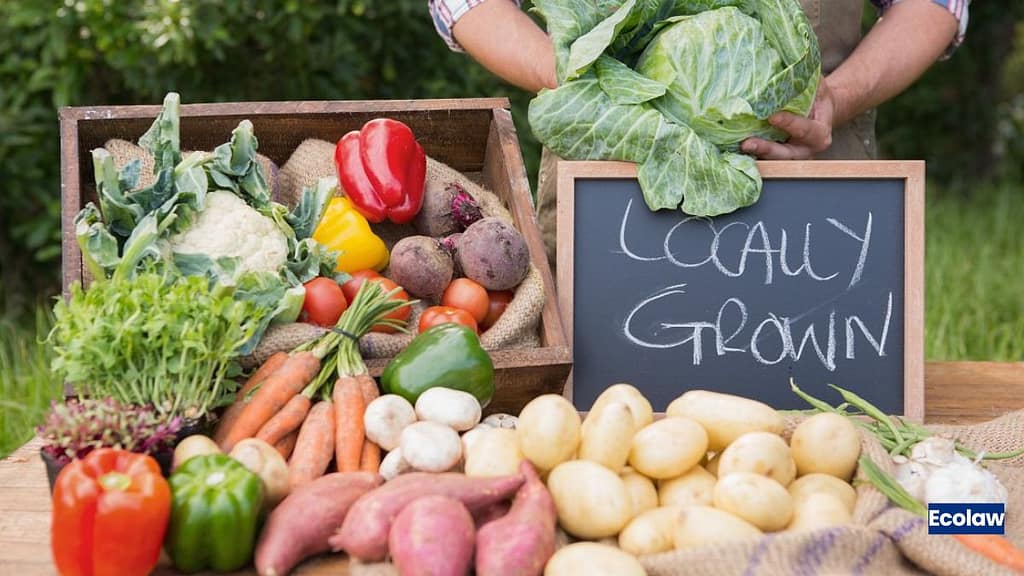
Here’s something the supermarket doesn’t want you to know: you’re often paying 30–60% more for the same vegetables and fruits compared to your local sabzi mandi or weekly haat market.
Modern supermarkets and quick-commerce apps are convenient — but convenience has a price. Cold-chain logistics, packaging, branding, and platform margins all get baked into what you pay.
The smarter approach: Get your vegetables, fruits, and staples from local mandis, weekly markets (haats), or directly from local farmers wherever possible. Not only is the produce fresher (often harvested the same day), but prices are significantly lower.
How to identify seasonal produce:
- Monsoon (June–September): Bitter gourd, bottle gourd, cluster beans, corn, green chillies
- Winter (October–February): Cauliflower, spinach, peas, carrots, methi, broccoli
- Summer (March–May): Raw mangoes, cucumber, watermelon, tinda, raw jackfruit
The contamination connection: Fresh, locally grown seasonal produce is less likely to be treated with the post-harvest chemicals used to extend shelf life for long-distance transport. Washing all produce thoroughly — soaking in water with a pinch of salt or turmeric for 10–15 minutes — can help remove surface residues before cooking.
Estimated monthly savings: ₹500–₹1,500 per family
3. Buy Staples in Bulk — Smarter Storage, Bigger Savings

Rice, dal, wheat flour (atta), cooking oil, sugar, salt, dry spices — these are items your household uses every single month without variation. Yet millions of Indian families buy these in small quantities repeatedly, paying a higher per-unit price each time.
The maths are simple: A 1 kg pack of toor dal might cost ₹145 at a kirana store. A 5 kg bag from a wholesale market or cooperative store might cost ₹620 — that’s ₹124/kg, saving ₹21 per kg. Over a year, on 3 kg of dal per month, that’s a saving of ₹756 just on one item.
Where to buy in bulk:
- NAFED (National Agricultural Cooperative Marketing Federation) stores and Kendriya Bhandar outlets offer staples at subsidised or controlled prices
- AAVIN (in Tamil Nadu), Amul cooperatives, and similar state dairy cooperatives for dairy products
- Wholesale markets (like INA Market in Delhi, Dadar Market in Mumbai, or your city’s equivalent)
- Farmer Producer Organisations (FPOs) increasingly sell directly to consumers
Storage tips to prevent waste:
- Store grains and pulses in airtight steel or glass containers — not plastic bags. This extends shelf life by months.
- Add a bay leaf (tej patta) or dry red chilli inside containers to naturally deter insects — no chemical pesticides needed.
- Keep cooking oils away from heat and light to prevent rancidity.
Estimated monthly savings: ₹600–₹1,200 per family
4. Grow a Mini Kitchen Garden — Even in a Flat

You don’t need a farm. You don’t even need a garden. A sunny balcony, a windowsill, or a terrace is enough to grow herbs and some vegetables that will save you real money month after month.
Coriander (dhaniya), mint (pudina), curry leaves, green chillies, tomatoes, and methi — these are items that almost every Indian kitchen uses daily but buys in tiny, expensive packets or bunches.
The cost reality: A small bunch of fresh coriander costs ₹10–₹20 at the market and wilts in 2–3 days. A single pot of coriander on your balcony, watered daily, gives you a continuous supply for months from a ₹20 seed packet.
Easy plants for beginners:
- Coriander — grows fast (10–15 days to harvest), loves sun
- Mint — almost impossible to kill, grows from a cutting in water
- Green chillies — one plant produces dozens of chillies for months
- Curry leaves — slow to grow but once established, gives leaves for years
- Tomatoes — grow beautifully in large pots or grow bags
The contamination connection: Growing your own means zero pesticides unless you choose to use them — and home gardeners almost never do. Remember, FSSAI found pesticide residues in nearly 1 in 5 food samples tested across India. What you grow, you control.
Estimated monthly savings: ₹200–₹600 per family (plus health value)
5. Audit Your Cart — Eliminate Hidden Grocery Waste

Most Indian families consistently overspend on groceries through small, invisible habits that accumulate into thousands of rupees of waste annually.
Common grocery money leaks to fix:
Processed and packaged foods: Biscuits, chips, instant noodles, packaged juices — these are expensive per serving, nutritionally poor, and often contain additives. A ₹40 packet of biscuits provides roughly 4 servings. Making mathri or chivda at home costs a fraction and tastes better.
Branded staples vs. generics: Many FMCG brands charge a 30–50% premium over equally good unbranded or cooperative-brand equivalents for atta, besan, rice, and pulses. The AGMARK certification or FSSAI-licensed local brands are often identical in quality.
Spoilage due to poor fridge management: The “first in, first out” rule — placing newer groceries behind older ones in the fridge — is ignored in most homes. This leads to produce rotting at the back while newer items are used. A simple habit change here can eliminate ₹200–₹400 in spoilage per month.
Duplicate spices: Many households own 5 versions of the same spice bought at different times. A monthly spice audit — checking what you have before buying — prevents this.
Eating out disguised as groceries: Quick-commerce orders of “grocery items” that include ready meals, snacks, and beverages can dramatically inflate what appears to be your food budget. Track this separately.
The sustainable practice: Zero-waste cooking
- Use cauliflower stems in sabzi, not just the florets
- Make rasam or stock from tomato skins and onion peels
- Stale bread becomes croutons, bread upma, or breadcrumbs
- Overripe bananas go into banana bread or smoothies rather than the bin
Estimated monthly savings: ₹500–₹1,500 per family
How Much Could You Save in a Year?
| Tip | Monthly Savings (approx.) |
|---|---|
| Meal Planning | ₹800–₹2,000 |
| Buy Local & Seasonal | ₹500–₹1,500 |
| Buy Staples in Bulk | ₹600–₹1,200 |
| Kitchen Garden | ₹200–₹600 |
| Audit & Reduce Waste | ₹500–₹1,500 |
| Total Potential Saving | ₹2,600–₹6,800/month |
That’s ₹31,000–₹81,600 per year — back in your pocket, without eating less or eating badly.
Also Read: Renewable Energy vs Fossil Fuels: Which Is More Profitable for Investors Today?
The Bigger Picture: Sustainable Grocery Habits Are a Long-Term Investment
Saving money on groceries in India isn’t just a financial decision — it’s an environmental and health one too. When you buy local, you support Indian farmers. When you reduce waste, you reduce methane emissions from landfills. When you grow even a single pot of herbs, you step outside the industrial food chain even if just a little.
The FSSAI data makes one thing abundantly clear: the Indian food supply chain has real quality and safety issues. Being a mindful consumer — one who plans, sources carefully, and wastes little — is one of the most powerful responses to a system that profits from your complacency.
Start with one tip this week. Track your grocery bill for a month. The numbers will speak for themselves.
Discover more from EcoLaw
Subscribe to get the latest posts sent to your email.