

- How to Complete the Copyright Registration Procedure in India for Software and Online Content - August 30, 2026
- Provisional Patent Filing Process in India: Complete Guide to Costs, Forms and Deadlines - August 26, 2026
- Trademark Opposition Rules in India: Timeline & Evidence Filing - August 20, 2026
Every monsoon season, indoor relative humidity spikes to 80% or higher. Closed windows trap Volatile Organic Compounds (VOCs), mold spores double their colony count within 24–48 hours on damp surfaces, and stagnant air creates that unmistakable musty smell that no candle fixes. The solution isn’t a dehumidifier that costs ₹8,000 and hikes your electricity bill. These 14 indoor plants act as zero-electricity biological air purifiers, natural moisture regulators, and VOC absorbers — backed by NASA research and plant physiology science. Place them right, and your home breathes better all season long.
Why Do Indoor Plants Matter During the Monsoon Season?
Indoor plants matter during monsoon because they absorb excess airborne moisture through their leaves, metabolize airborne toxins through phytoremediation, and release clean oxygen — all without electricity or filters.
Table Of Content
Table of Contents
What Happens Inside Your Home When It Rains Outside?
How Do Plants Actually Reduce Humidity?
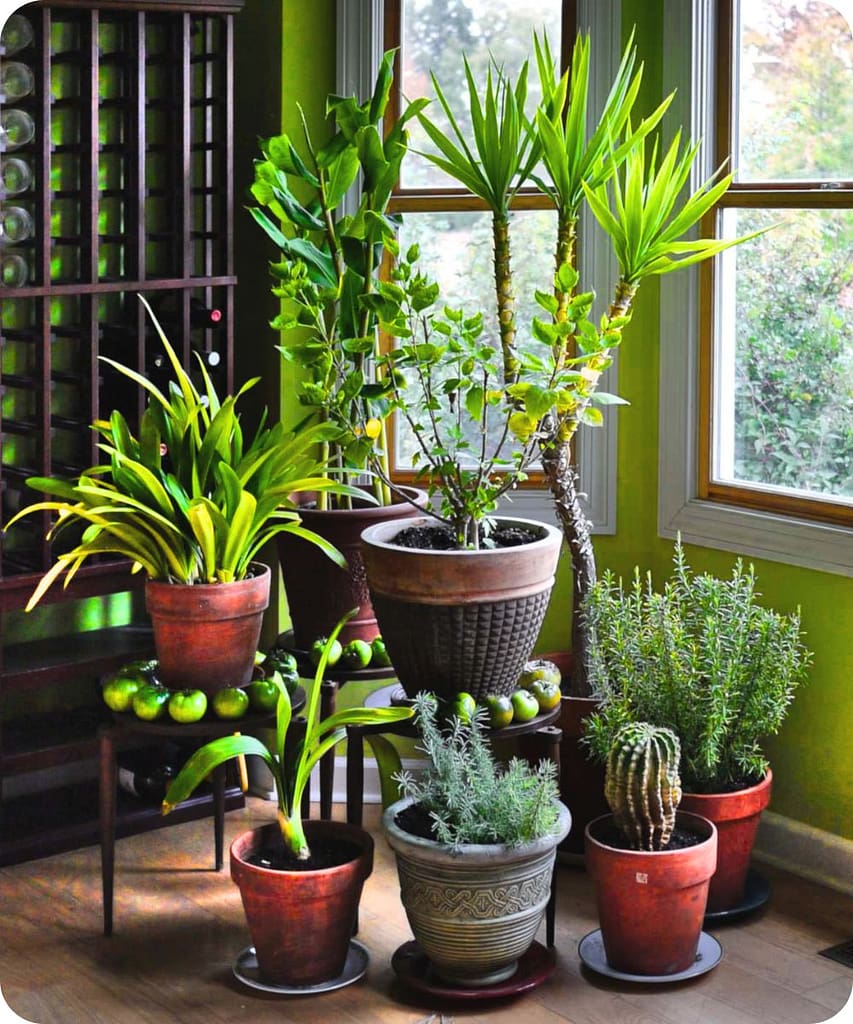
Plants absorb moisture through two mechanisms: stomatal transpiration (releasing water vapor through leaf pores, which sounds counterproductive, but also pulls moisture-laden stale air into the leaf system) and foliar absorption, where certain plants take in ambient moisture directly through their leaves and cuticle surfaces. Boston Ferns and Areca Palms are particularly effective at this. Think of them as passive, self-powered humidity regulators running 24 hours a day at zero operating cost.
The 14 Essential Monsoon Plants (14 Indoor Plants)
Group A: The Nighttime Bedroom Purifiers (CAM Plants)
What are CAM Plants? CAM stands for Crassulacean Acid Metabolism — a specialized photosynthesis pathway where plants keep their stomata closed during the hot day and open them at night to absorb CO₂ and release oxygen. This makes them uniquely valuable in bedrooms during long monsoon nights when air circulation is lowest.
1. Snake Plant — Sansevieria Trifasciata
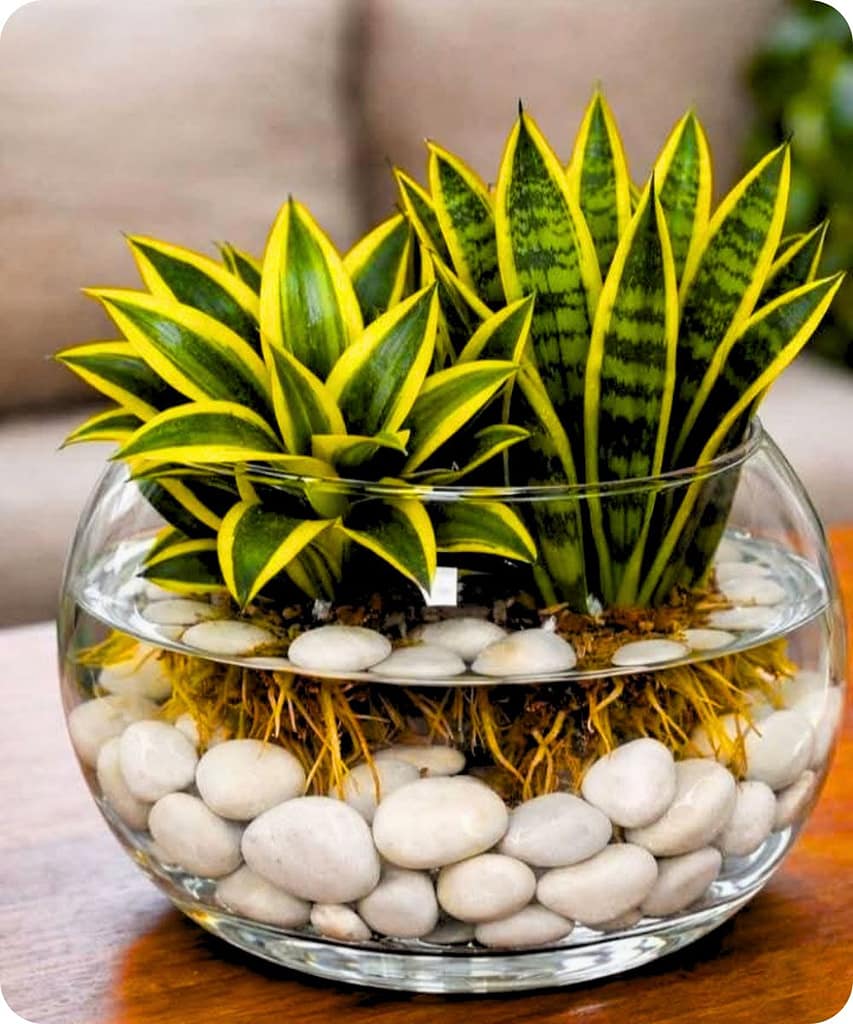
How it helps during monsoon: One of only a handful of plants that release oxygen at night via CAM metabolism. Absorbs formaldehyde, benzene, and nitrogen oxides — VOCs that peak in sealed monsoon rooms. NASA’s Clean Air Study specifically listed it among the top air-purifying plants tested.

2. Spider Plant — Chlorophytum Comosum
How it helps during monsoon: Spider Plants are among the most effective formaldehyde and carbon monoxide absorbers documented in NASA’s study. Their high transpiration rate also helps moderate ambient humidity in enclosed bedrooms.

3. Aloe Vera — Aloe barbadensis miller
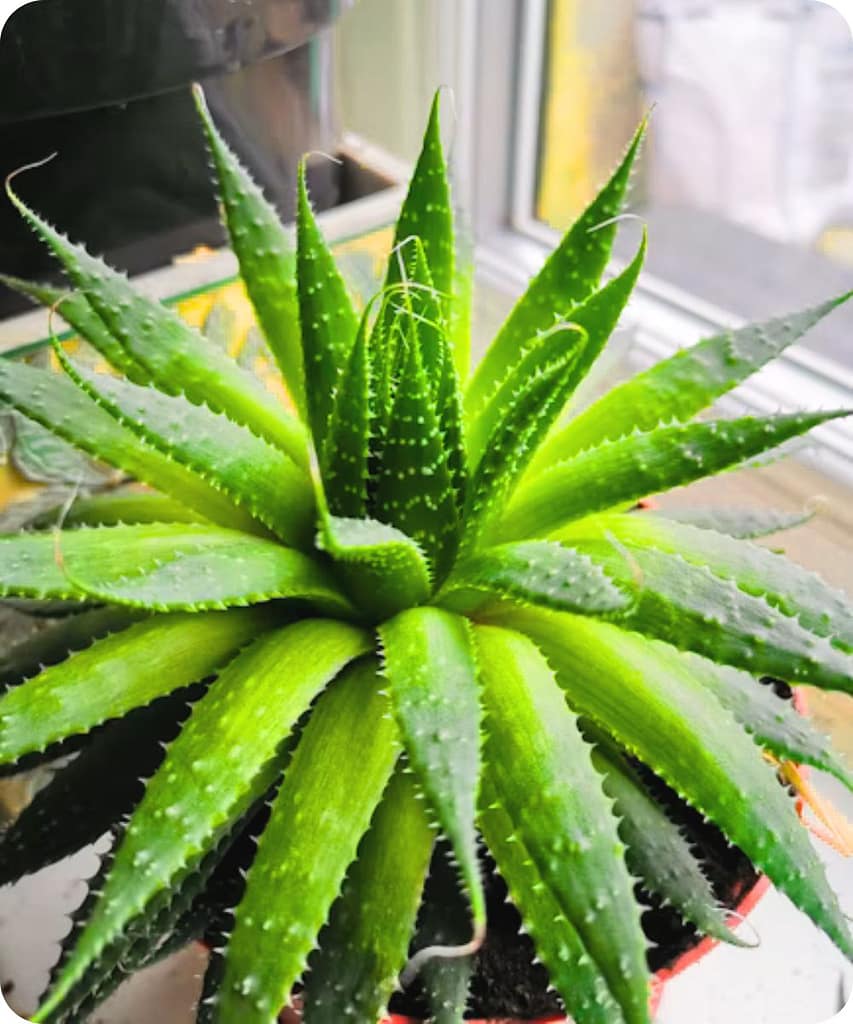
How it helps during monsoon: Another confirmed CAM plant that releases oxygen at night. Aloe absorbs benzene and formaldehyde — both common in homes with new paint, plywood furniture, or synthetic flooring that off-gasses more in humidity. A NASA-listed air purifier.

Group B: The High-Humidity Gluttons (Living Room Statement Pieces)
What makes this group special? These plants actively absorb high ambient moisture from the air and thrive — rather than merely tolerate — monsoon-level humidity. Place them in living rooms, kitchens, and bathrooms where humidity concentrates most.
4. Boston Fern — Nephrolepis exaltata
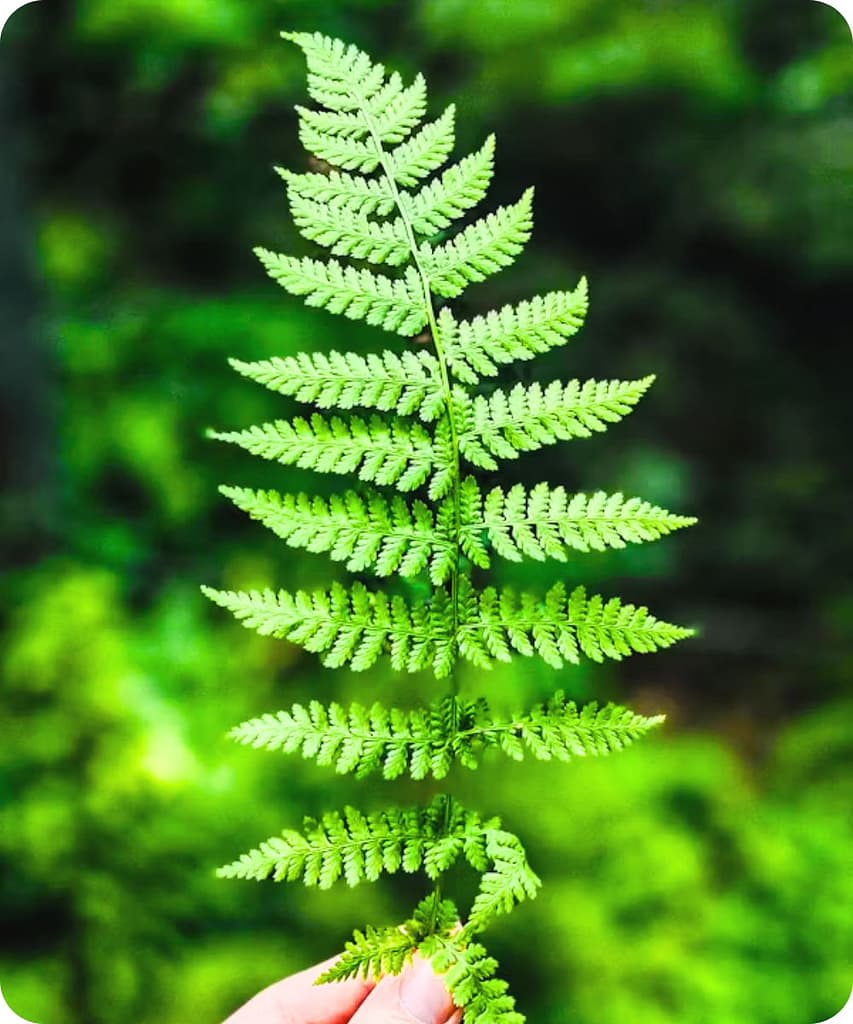
How it helps during monsoon: Boston Ferns are natural humidistats in reverse — they absorb moisture from the surrounding air through their fronds. Studies show they are among the highest-rated plants for formaldehyde removal. They genuinely prefer 50–80% humidity, making monsoon their peak growing season.

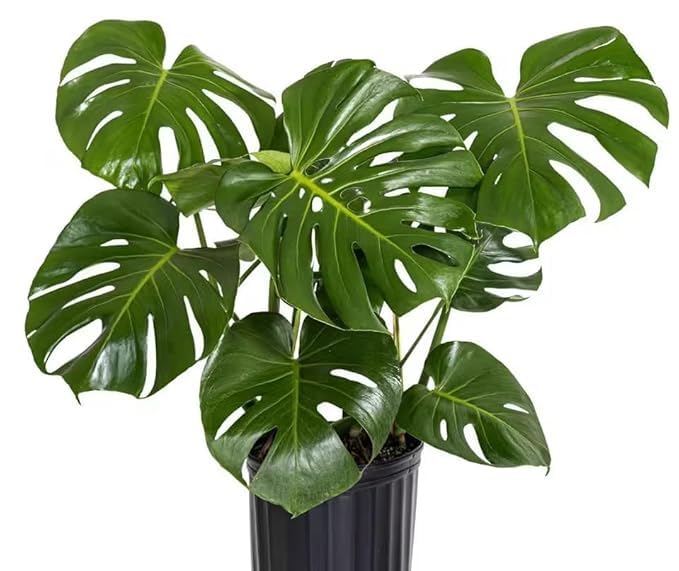
5. Monstera Deliciosa — Swiss Cheese Plant
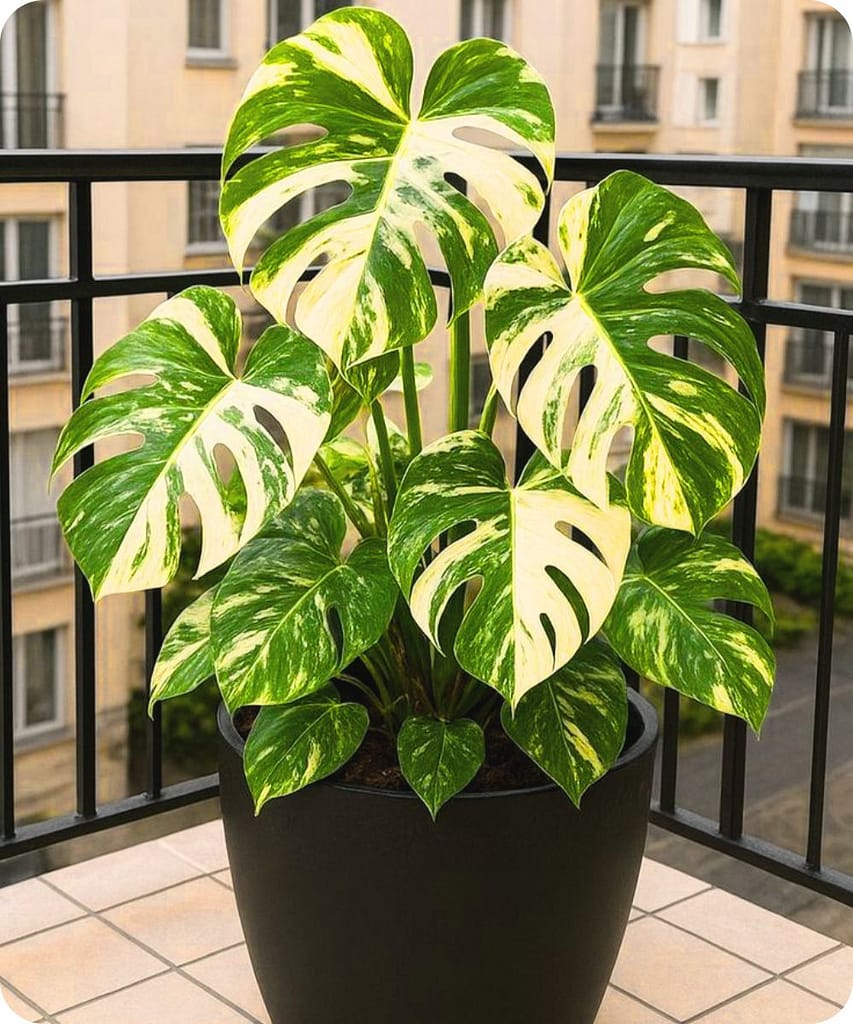
How it helps during monsoon: Monstera’s large, waxy, fenestrated leaves have a high surface area for foliar transpiration and phytoremediation. It absorbs VOCs effectively and thrives at high humidity. Its dramatic foliage also makes it the most visually impactful plant in this entire list.
6. Peace Lily — Spathiphyllum wallisii
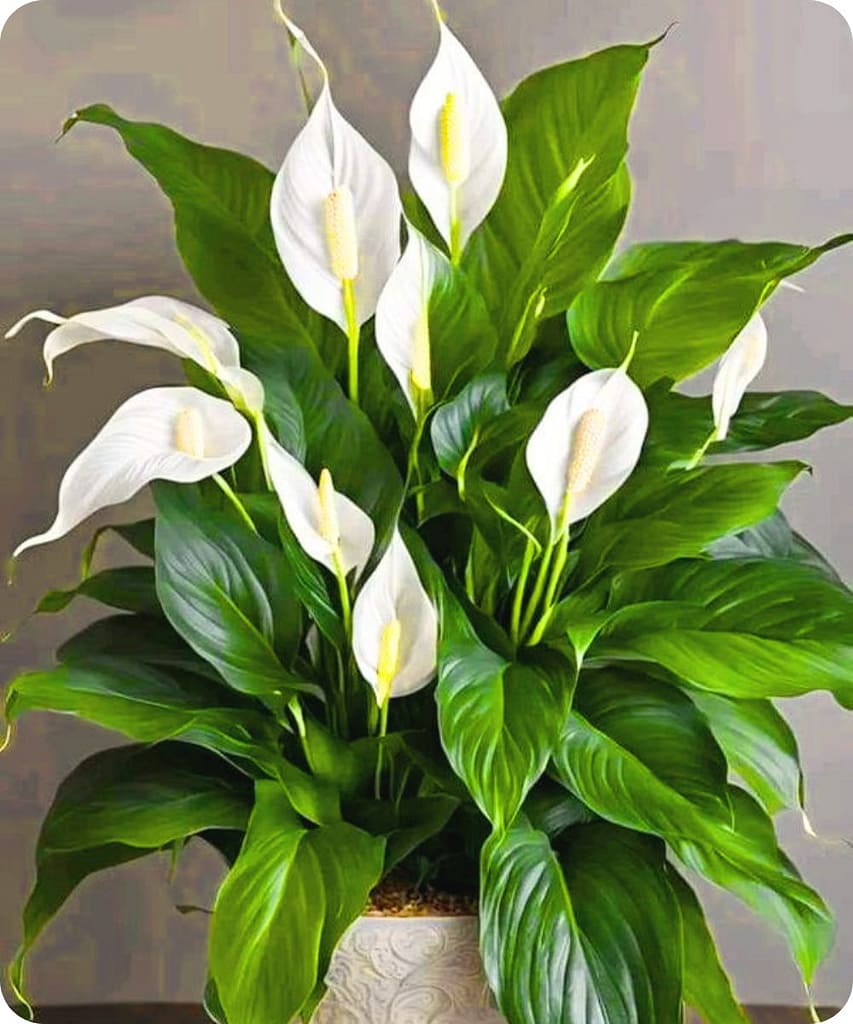
How it helps during monsoon: Peace Lily is one of the few flowering plants in NASA’s Clean Air Study. It filters benzene, formaldehyde, trichloroethylene, ammonia, and xylene — a remarkably broad spectrum. It also absorbs airborne mold spores through its leaves and roots, making it specifically valuable in monsoon when mold counts spike indoors.

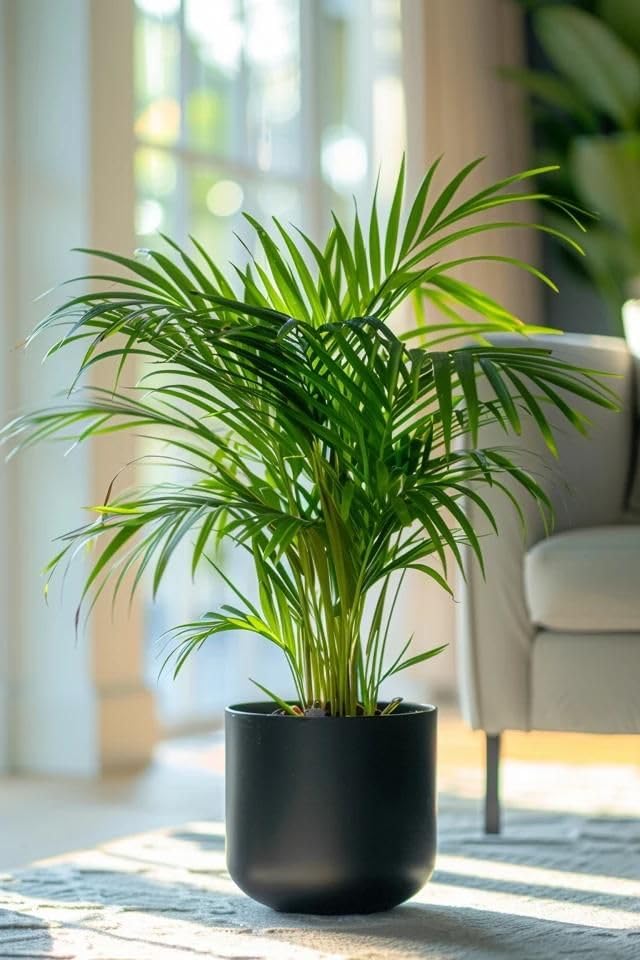
7. Areca Palm — Dypsis lutescens
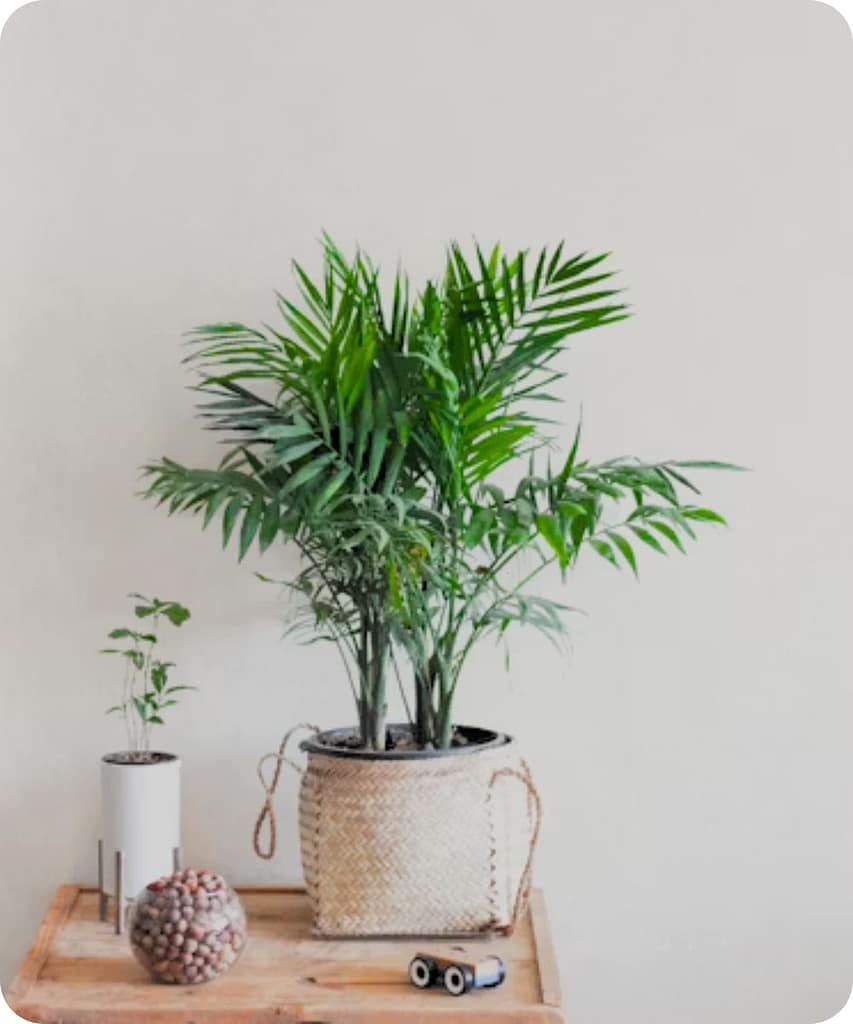
How it helps during monsoon: NASA and other researchers consistently rank Areca Palm among the best natural humidifiers and air purifiers available. A 1.8-metre Areca Palm can transpire approximately one litre of water per day — but crucially, it also works in reverse during peak humidity by absorbing excess ambient moisture through its root system and regulating transpiration rate based on environmental humidity.
8. English Ivy — Hedera helix
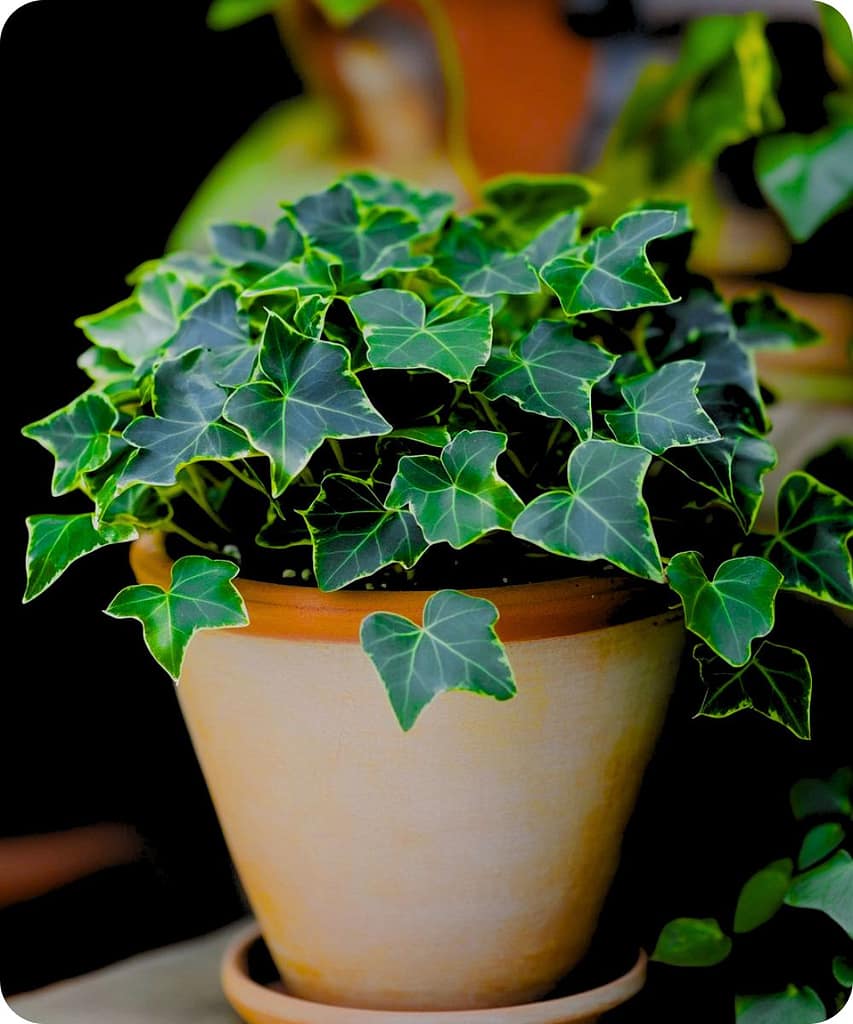
How it helps during monsoon: A 2005 study published in the journal Allergy found that English Ivy reduced airborne mold by up to 78% in 12 hours in an enclosed test room. During monsoon, when mold spore counts indoors can be 10 times higher than outdoors, English Ivy is a highly strategic placement in bathrooms and kitchens.

Group C: The Shady Corner & Low-Light Survivors (For Overcast Days)
What defines this group? These plants evolved under dense forest canopies, which means they are physiologically adapted to the low photon flux that accompanies weeks of cloudy, overcast monsoon skies. They will not just survive — they will actively grow.
9. ZZ Plant — Zamioculcas zamiifolia
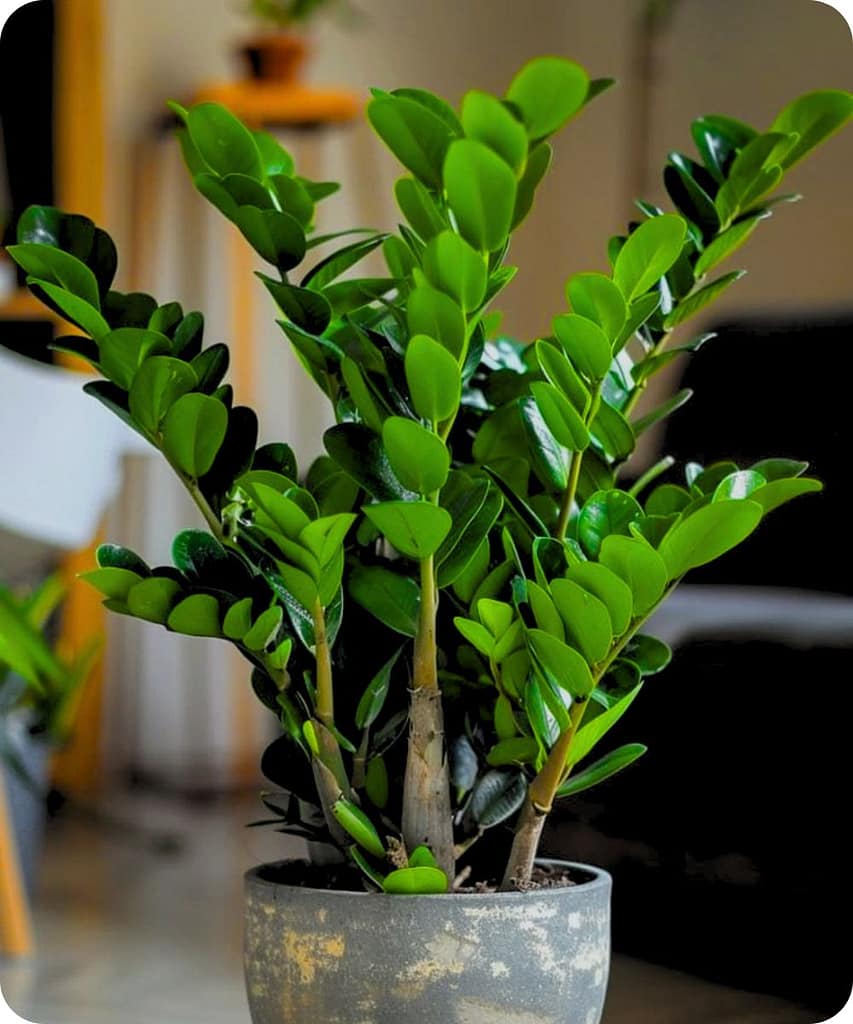
How it helps during monsoon: The ZZ Plant stores water in its rhizomes (underground tuber-like structures), making it extraordinarily drought-tolerant. It absorbs VOCs including toluene and xylene, and its waxy leaves reflect available light efficiently — maximizing photosynthesis in low-light conditions.

10. Philodendron “Broken Heart” — Philodendron scandens
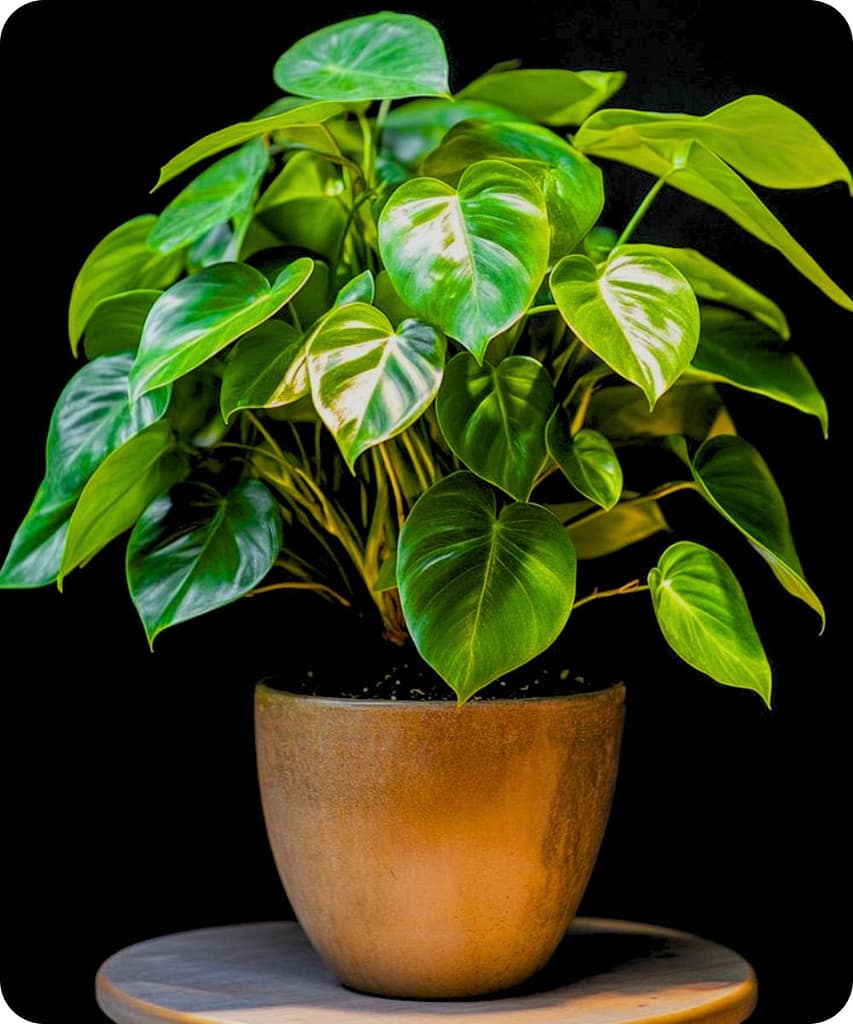
How it helps during monsoon: Philodendrons are documented formaldehyde absorbers. The “Broken Heart” variety’s heart-shaped leaves and vining growth make it a beautiful, functional addition to shelves and high corners during monsoon months when it grows most vigorously.

11. Money Plant / Pothos — Epipremnum aureum
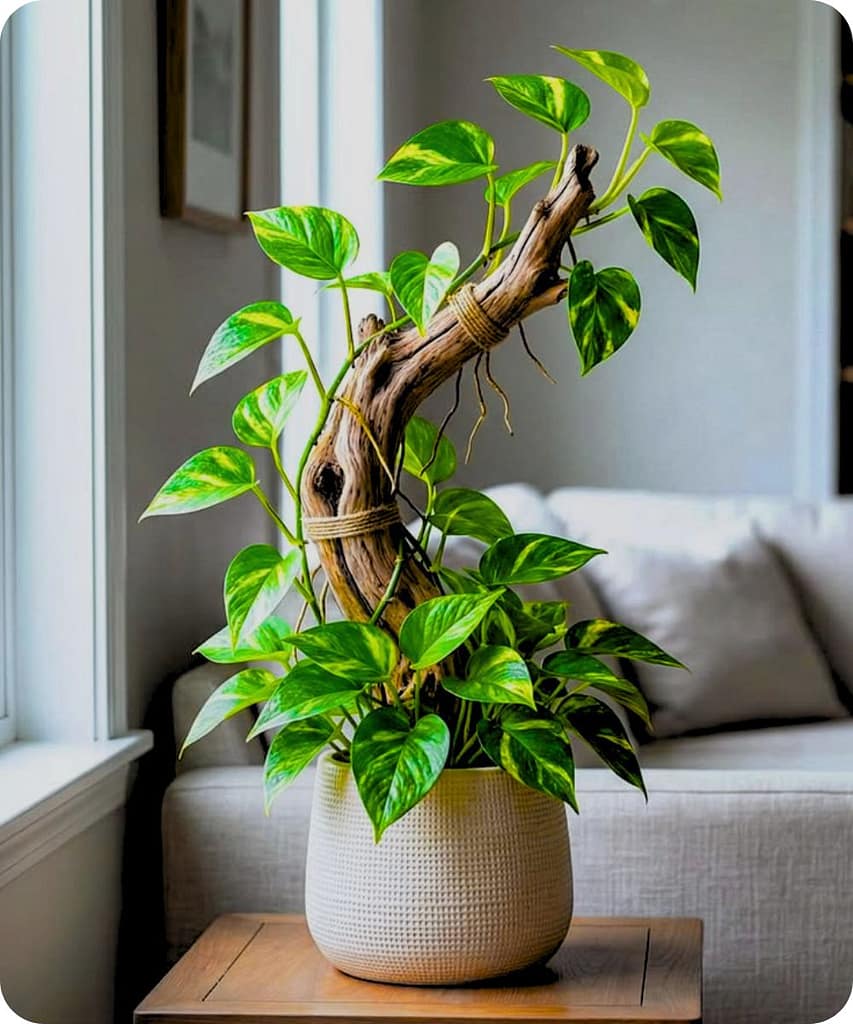
How it helps during monsoon: India’s most widely kept houseplant earns its place here on science, not just tradition. NASA’s Clean Air Study confirmed Pothos removes formaldehyde, benzene, and carbon monoxide effectively. Its high adaptability to low light makes it the single most reliable monsoon plant for Indian households.

12. Aglaonema — Chinese Evergreen
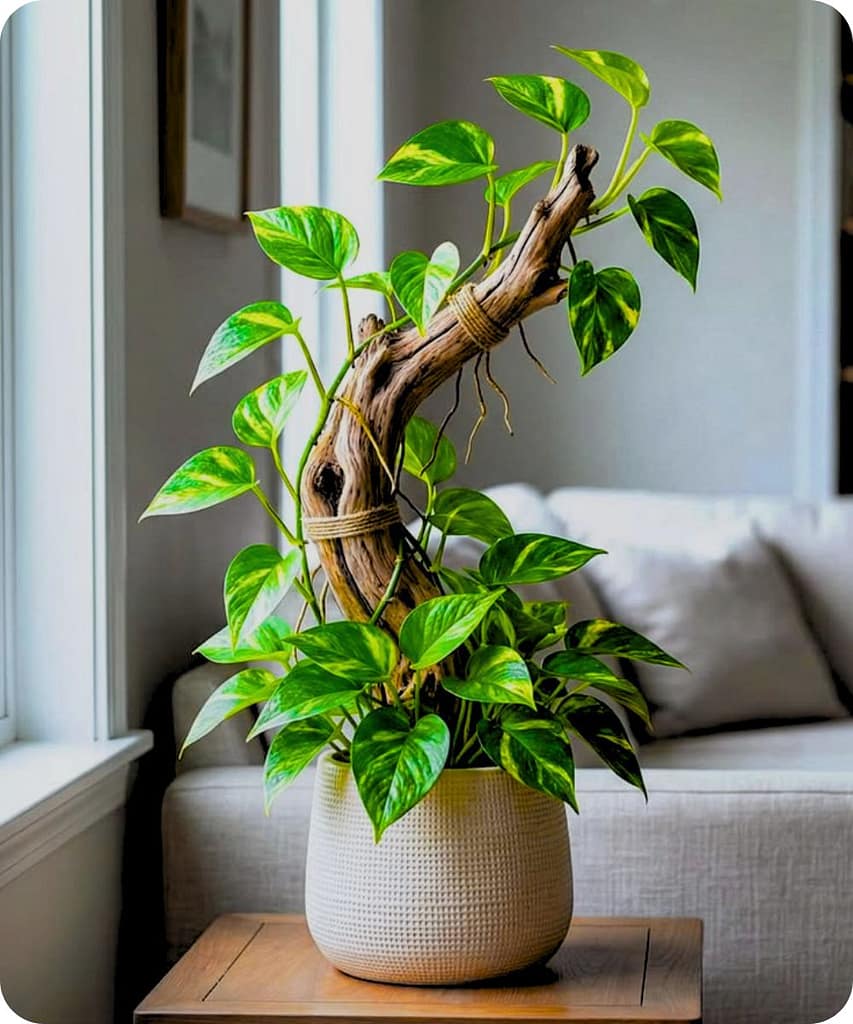
How it helps during monsoon: Aglaonema is one of the top-rated low-light air purifiers, removing formaldehyde and benzene with documented efficiency. Its thick, patterned leaves also have a relatively large transpiration surface, helping regulate room humidity. It is among the hardiest ornamental plants for Indian monsoon conditions.

13. Cast Iron Plant — Aspidistra elatior
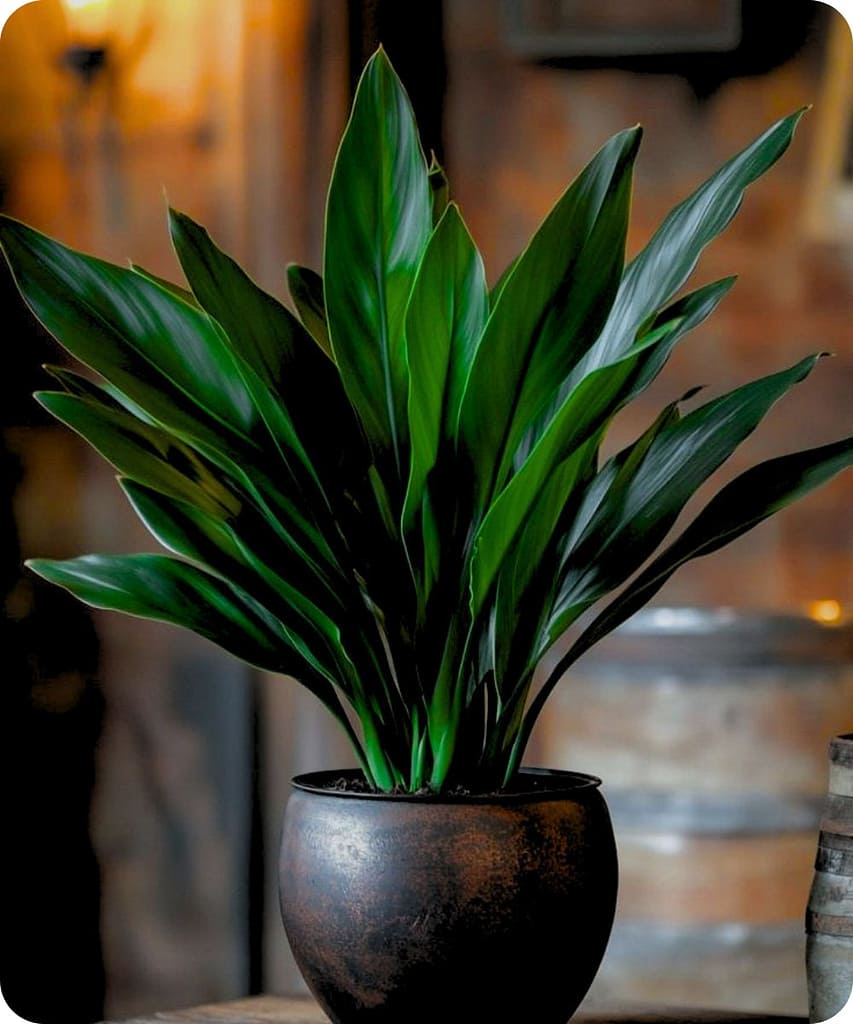
How it helps during monsoon: The Cast Iron Plant earned its name honestly — it tolerates near-complete darkness, temperature fluctuations, irregular watering, and poor air circulation. It absorbs airborne toxins steadily and its thick, upright leaves function as reliable VOC sinks in the most neglected corners of a home.

14. Rubber Plant — Ficus elastica
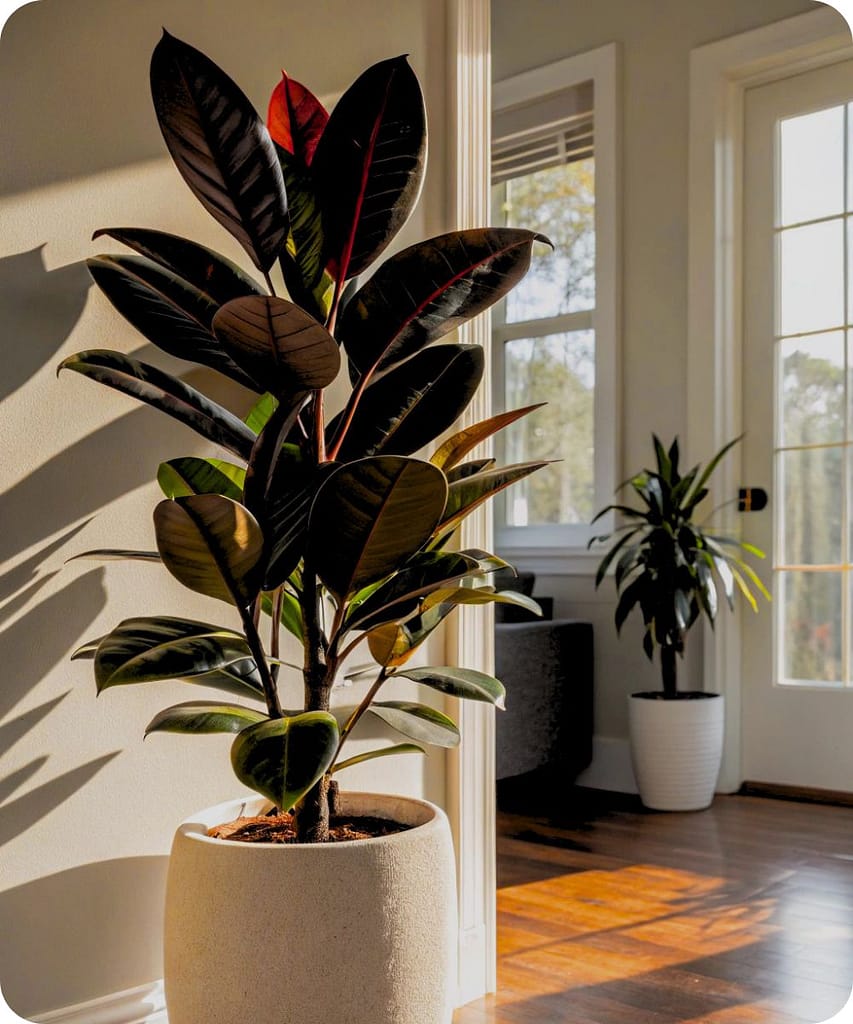
How it helps during monsoon: The Rubber Plant’s large, glossy leaves absorb formaldehyde with high efficiency — one of the highest rates among commonly available houseplants per NASA research data. The waxy cuticle on its leaves also physically traps particulate matter and mold spores, making it a dual-function air cleaner during monsoon.

How Do You Care for Indoor Plants in Heavy Rainy Weather?
During heavy monsoon weather, indoor plant care shifts to four priorities — preventing root rot, managing reduced sunlight, stopping fungal spread, and maintaining leaf cleanliness for maximum air purification efficiency.
5-Step Monsoon Plant Care Routine
5 Essential Monsoon Care Tips for Indoor Plants
Monsoon humidity can quickly lead to root rot, fungal infections, and poor airflow if indoor plants are not managed properly. Follow this simple seasonal care routine to keep your plants healthy, clean, and actively air-purifying throughout the rainy season.
✅ Step 1 — Check Every Drainage Hole
Before monsoon begins, inspect every pot and confirm that water exits freely within 10 seconds. Blocked drainage holes are the most common reason indoor plants die during rainy months. If a pot lacks a drainage hole entirely, repot the plant immediately into a safer container.
💧 Step 2 — Cut Watering by Half
During monsoon, soil dries out much more slowly because of increased humidity. Reduce your normal summer watering schedule by at least 50%.
☀️ Step 3 — Fix the Light Deficit
Overcast skies can reduce natural indoor light by 60–70%. Help your plants compensate with these adjustments:
- Move plants 30–50 cm closer to bright windows
- Keep windows clean for maximum diffused light
- Rotate pots every 2 weeks for even growth
- Use a basic grow light for 4–6 hours during long overcast periods
🍃 Step 4 — Wipe Leaves Every 2 Weeks
Dust, mold spores, and pollution particles collect on leaves during monsoon and can block the stomata that plants use for gas exchange and toxin absorption.
🌬️ Step 5 — Improve Air Circulation
Humid stagnant air around plant pots encourages fungal growth and leaf disease. Keep space between neighboring plants so leaves do not touch. During very humid weeks, run a ceiling fan at low speed for a few hours daily to improve airflow and reduce fungal spore buildup on leaves.

All 14 Monsoon Plants at a Glance
Compare the best monsoon-friendly indoor plants based on air-purifying benefits, light requirements, and watering frequency during humid rainy months.
| # | 🌱 Plant | 🧬 Scientific Name | ✨ Primary Benefit | ☀️ Light Need | 💧 Watering in Monsoon |
|---|---|---|---|---|---|
| 1 | Snake Plant | Sansevieria trifasciata | Night O₂, VOC absorption | Very low | Every 3–4 weeks |
| 2 | Spider Plant | Chlorophytum comosum | Formaldehyde removal | Low–medium | Every 10–14 days |
| 3 | Aloe Vera | Aloe barbadensis | CAM O₂, benzene absorption | Medium | Every 3–5 weeks |
| 4 | Boston Fern | Nephrolepis exaltata | Humidity absorption | Indirect | Every 2–3 days (check) |
| 5 | Monstera | Monstera deliciosa | VOC absorption, large leaf area | Medium indirect | Finger test only |
| 6 | Peace Lily | Spathiphyllum wallisii | Mold spore absorption | Very low | Once per week |
| 7 | Areca Palm | Dypsis lutescens | Humidity regulation | Bright indirect | Once per week |
| 8 | English Ivy | Hedera helix | Mold reduction (up to 78%) | Medium indirect | Every 5–7 days |
| 9 | ZZ Plant | Zamioculcas zamiifolia | VOC absorption, drought tolerant | Very low | Every 4–6 weeks |
| 10 | Philodendron | Philodendron scandens | Formaldehyde absorption | Low–medium | Every 10 days |
| 11 | Pothos | Epipremnum aureum | Multi-VOC removal | Very low | Every 10–12 days |
| 12 | Aglaonema | Aglaonema commutatum | Benzene, formaldehyde removal | Low | Every 10–14 days |
| 13 | Cast Iron Plant | Aspidistra elatior | VOC absorption, neglect tolerant | Near dark | Every 3 weeks |
| 14 | Rubber Plant | Ficus elastica | Formaldehyde absorption | Medium indirect | Every 2 weeks |
The Monsoon Is Coming — Your Plants Should Already Be Home
The most effective time to build your indoor plant ecosystem is before the first rains arrive, not after your bathroom ceiling shows its first mold ring. These 14 plants collectively cover every function your home needs during monsoon: CAM-based nighttime oxygen production, daytime VOC removal, high-humidity absorption, mold spore capture, and low-light resilience. None of them require electricity. None need specialized knowledge. Every single one is available in India for under ₹1,500 — most under ₹500. Place them strategically, follow the six-step care routine above, and your home will breathe measurably cleaner from the first week of the season onward.
Discover more from EcoLaw
Subscribe to get the latest posts sent to your email.