
- How to Complete the Copyright Registration Procedure in India for Software and Online Content - August 30, 2026
- Provisional Patent Filing Process in India: Complete Guide to Costs, Forms and Deadlines - August 26, 2026
- Trademark Opposition Rules in India: Timeline & Evidence Filing - August 20, 2026
Solar-Powered Alternatives: The average American household spends $162 every single month on electricity — nearly $1,942 per year, according to EnergySage’s 2025 data. In India and across Asia, rising electricity tariffs are squeezing household budgets harder every year. And a large chunk of that bill? It goes to powering items you use daily without a second thought — outdoor lights, security cameras, phone chargers, fans.
Solar-powered gadgets have crossed a critical threshold in 2025. They are no longer flimsy, underpowered novelties that dim after a cloudy afternoon. Today’s solar alternatives match — and in some cases outperform — their plug-in equivalents. They install in minutes, require zero wiring, eliminate battery replacements, and keep working through outages, camping trips, and off-grid living.
Table Of Content
Table of Contents
From outdoor lights to phone chargers, many common household products now have efficient solar-powered alternatives that can reduce energy costs and work without relying on the grid.
Here are 10 everyday items — and the best solar replacements available right now.
1. Home Security Cameras (Solar-Powered Alternatives)
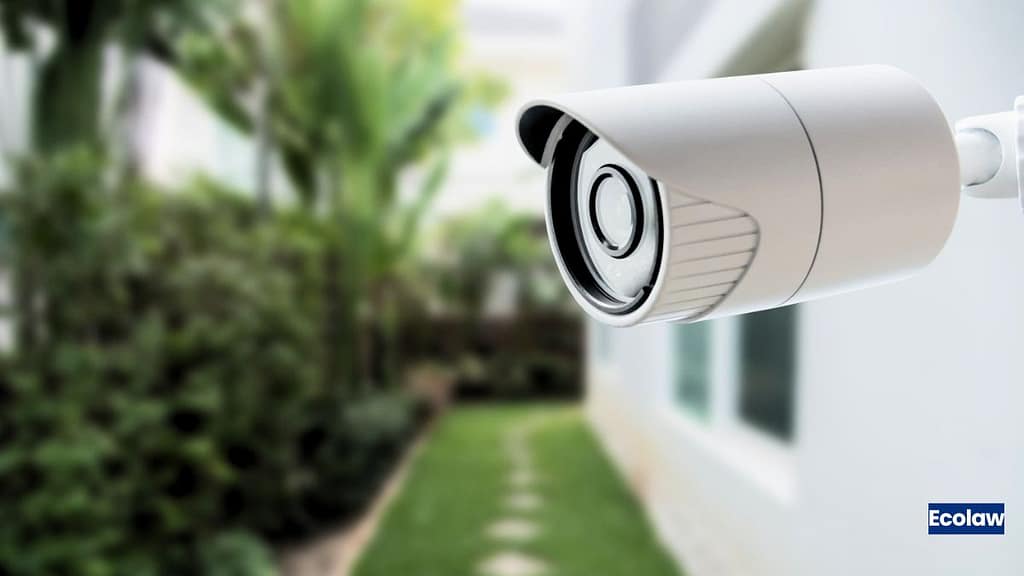
The problem with traditional cameras: Wired security cameras require an electrician, fixed installation points, and a continuous draw on your electricity. Battery-powered wireless cameras solve the wiring issue but create a new headache — you are constantly climbing ladders to recharge or replace batteries, sometimes every few weeks.
Most modern solar cameras offer 2K or 4K resolution, two-way audio, motion-activated alerts, and human-only PIR detection to cut down on false notifications.
According to SolarReviews‘ 2025 analysis, solar security cameras can record for at least 12 hours on stored charge — and in good sunlight conditions, they maintain a permanent full charge indefinitely.
4G LTE Solar Security Camera
Works without Wi-Fi by using a 4G SIM card, making it ideal for remote properties, farms, construction sites, or any location where a router signal cannot reach.
2. Outdoor and Pathway Lights (Solar-Powered Alternatives)
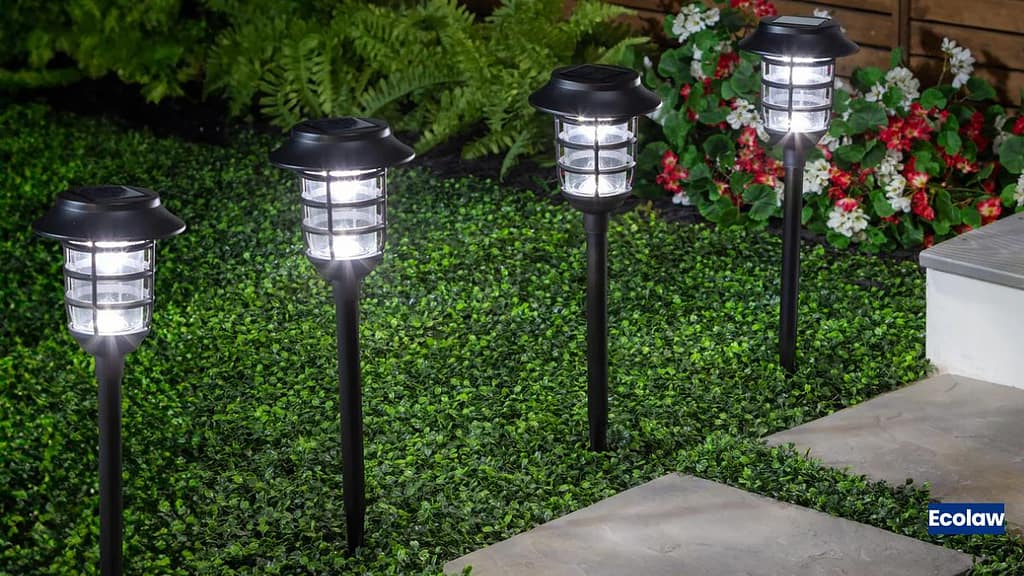
The problem with wired outdoor lighting: Running electrical cable underground for garden paths, driveways, and perimeter lighting requires professional installation, trenching, and a permanent connection to your mains supply. Even low-voltage wired systems add to your electricity bill and create a single point of failure — one tripped circuit and the entire path goes dark.
Installation takes seconds — push the stake into the soil and walk away.
Modern solar outdoor lights use high-efficiency LED arrays and improved lithium battery storage, meaning even a partially cloudy day provides enough charge for a full night of illumination.
Solpex Solar Outdoor Lights (12 Pack)
A 12-pack of waterproof solar stake lights designed to illuminate your entire garden perimeter without a single cable, plug, or power socket.
Top Option: The Solpex Solar Outdoor Lights 12 Pack — a 12-pack of waterproof stake lights covering your entire garden perimeter without a single cable or socket.
3. Roof and Attic Ventilation Fans (Solar-Powered Alternatives)
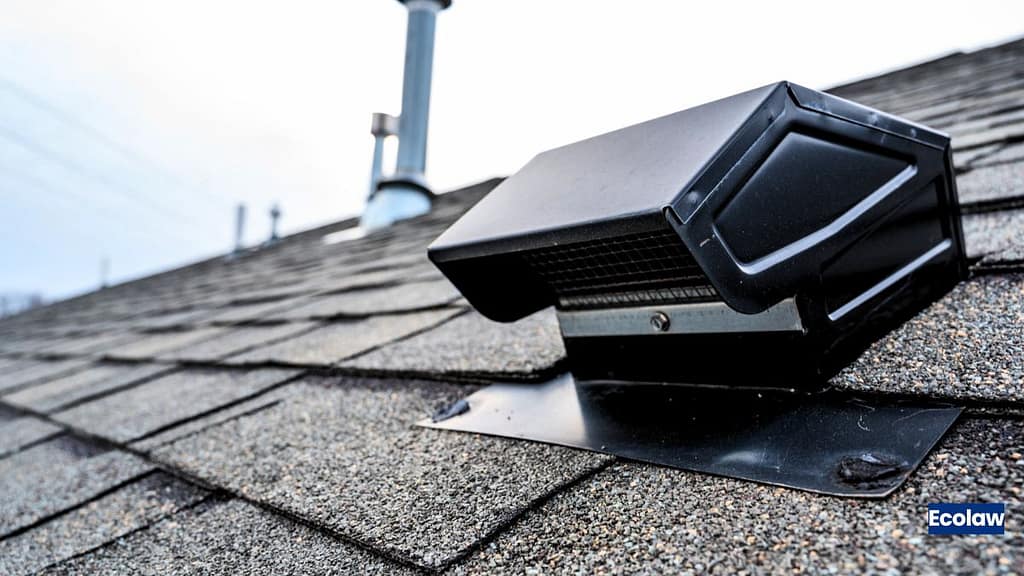
The problem with electric attic fans: A poorly ventilated attic can push summer cooling costs up by 10–15% as trapped heat radiates downward into living spaces. Electric attic fans solve the ventilation problem but run continuously on grid power — creating an ongoing electricity cost to solve an electricity cost problem.
They go dormant at night when the attic is naturally cooler.
They require no wiring to your home’s electrical panel and, in most jurisdictions, no permit.
Many units can pay for themselves through reduced air-conditioning load within 1–3 years.
iLIVING HYBRID Ready Smart Thermostat Solar Roof Attic Exhaust Fan
A powerful 40-watt solar attic fan featuring a hybrid grid-backup mode and a built-in smart thermostat. It automatically switches to grid power on overcast days, ensuring consistent attic ventilation regardless of weather conditions.
4. Gas or Electric Camping and Backup Generators (Solar-Powered Alternatives)

The problem with conventional generators: Gas generators are loud, produce carbon monoxide, require fuel storage, and need regular maintenance to stay operational. Electric generators are cleaner but still require grid charging — which defeats the purpose during a power outage.
They run silently and produce zero fumes.
Depending on their capacity, they can power laptops, phones, CPAP machines, small appliances, and LED lighting for hours or even days.
Sarrvad T500 Portable Power Station
A powerful portable power station featuring 518Wh battery capacity, 500W continuous output (up to 1000W peak), two AC outlets, and fast solar charging support. A genuine off-grid power solution packed into a compact, portable design.
5. Phone and Device Chargers (Solar-Powered Alternatives)
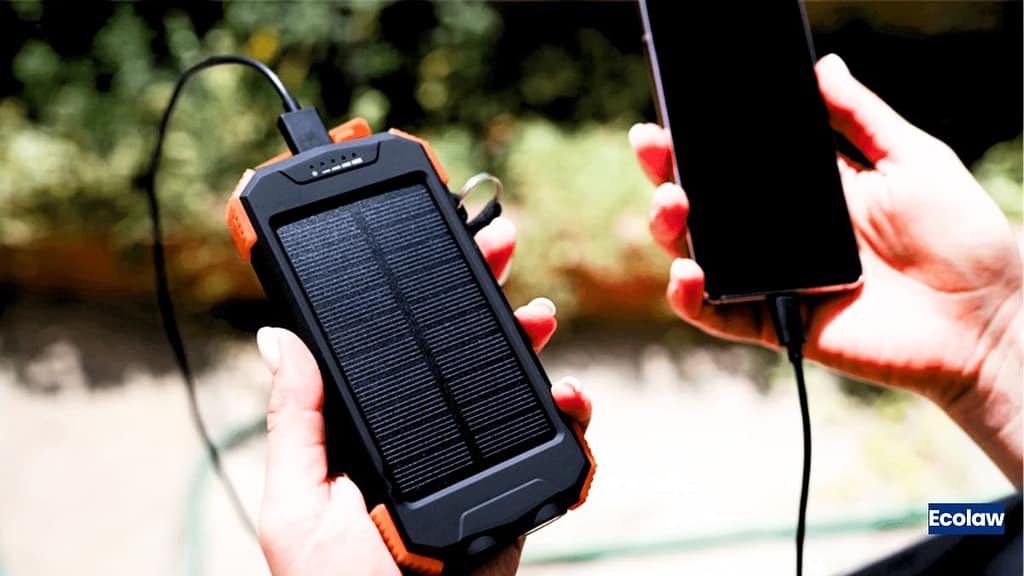
The problem with plug-in chargers: You are essentially paying electricity costs every single day to charge devices — and in a power outage or while travelling, you are left with a dead phone and no options. AA and AAA battery chargers are wasteful, and disposable batteries are an environmental and financial drain.
The best modern units fold flat for easy portability and include both USB-A and USB-C outputs.
They can charge:
- 📱 Phones
- 📟 Tablets
- 🎧 Earbuds
- ⌚ Smartwatches
- 📷 Small cameras
A quality solar charging panel with a built-in 20,000–25,000 mAh power bank can charge a smartphone 5–6 times on a single stored charge — and refill itself in 6–10 hours of direct sunlight, indefinitely.
Solar Phone Chargers & Power Banks
Popular options to consider include the BigBlue 28W Solar Charger, Anker PowerPort Solar Lite, and Blavor Solar Power Bank 20W. These portable solar charging solutions are ideal for camping, travel, hiking, emergencies, and off-grid power needs.
6. Outdoor Motion Sensor Security Lights (Solar-Powered Alternatives)
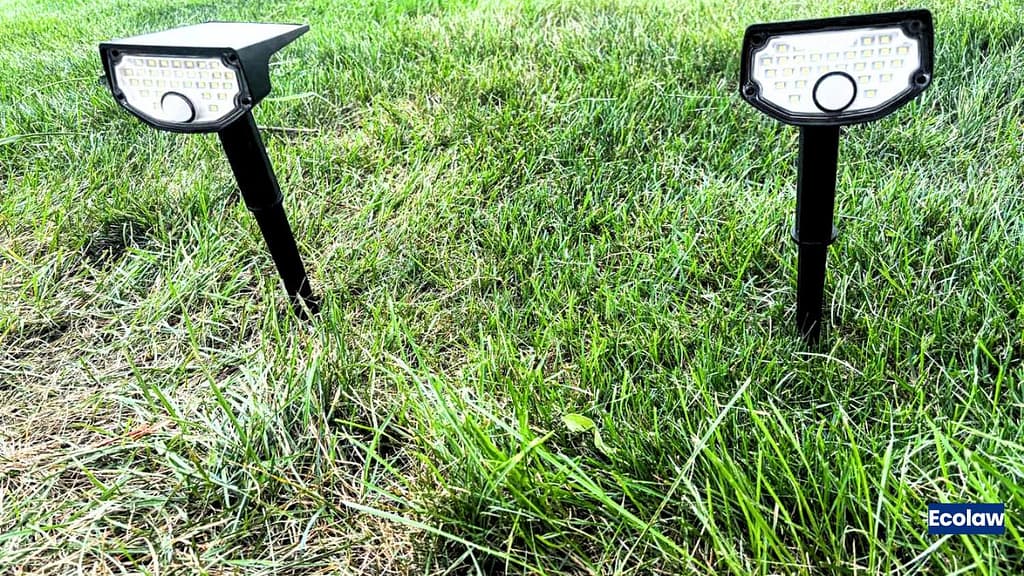
The problem with wired floodlights: Traditional motion-activated security lights require wiring into your home’s electrical system — meaning electrician costs on top of the product price, plus ongoing electricity draw every time they trigger. In garages, sheds, and detached structures, running cable is often expensive or impractical.
No wiring, no monthly cost, and no electrician required.
Many modern models offer three lighting modes:
- Motion-activated
- Dim continuous
- Bright continuous
This flexibility makes them suitable for a variety of outdoor areas and lighting needs.
Solar Motion Sensor Security Lights
Popular options include the Aootek Solar Security Lights 3-Head, Litom 120 LED Solar Motion Sensor Lights, and BAXIA Solar Outdoor Lights with Motion Sensor. These lights provide bright motion-activated illumination without wiring, making them ideal for driveways, gardens, entrances, patios, and backyard security.
7. Garden Water Pumps and Fountains (Solar-Powered Alternatives)
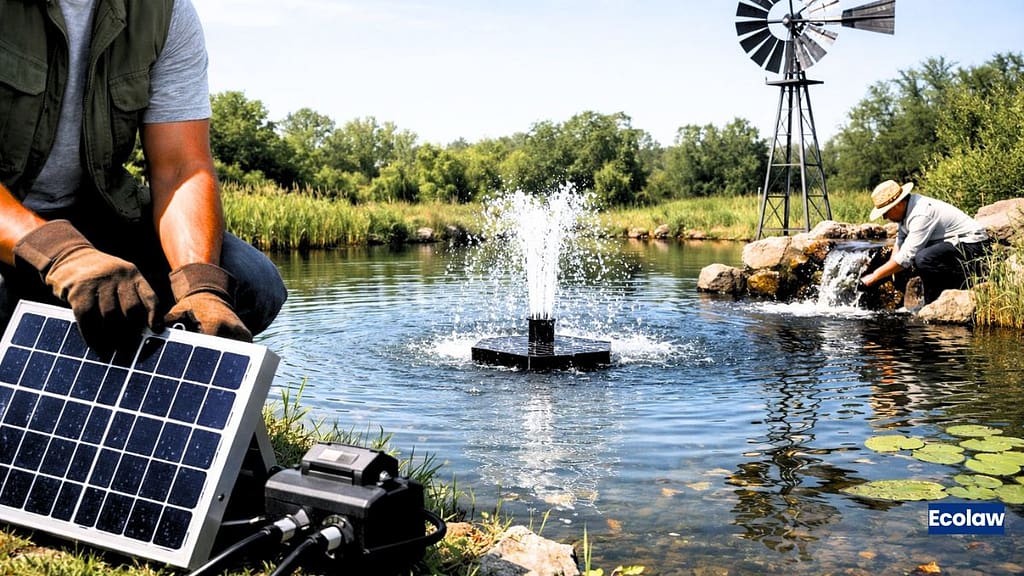
The problem with electric garden pumps: Electric water features — fountains, bird baths with circulation pumps, small pond aerators — require a waterproof cable run from a ground-fault outlet, or a battery that needs regular replacement. The pump runs whenever the power is on, including at night, which wastes electricity on circulation when no one is home or watching.
They operate only when the sun is shining, exactly when you want to enjoy a working fountain during the day, and naturally go dormant at night.
Panel-separated models allow you to place the solar panel in the sunniest location while positioning the fountain in a shaded garden feature area.
Solar Fountain Pumps
Popular choices include the AISITIN Solar Fountain Pump, Lewisia Solar Pump Kit, and Sunnydaze Solar Pump with Panel. These solar-powered pumps are perfect for bird baths, garden ponds, water features, and decorative fountains without requiring batteries, wiring, or electricity from the grid.
8. Portable Solar Lanterns and Emergency Lights (Solar-Powered Alternatives)
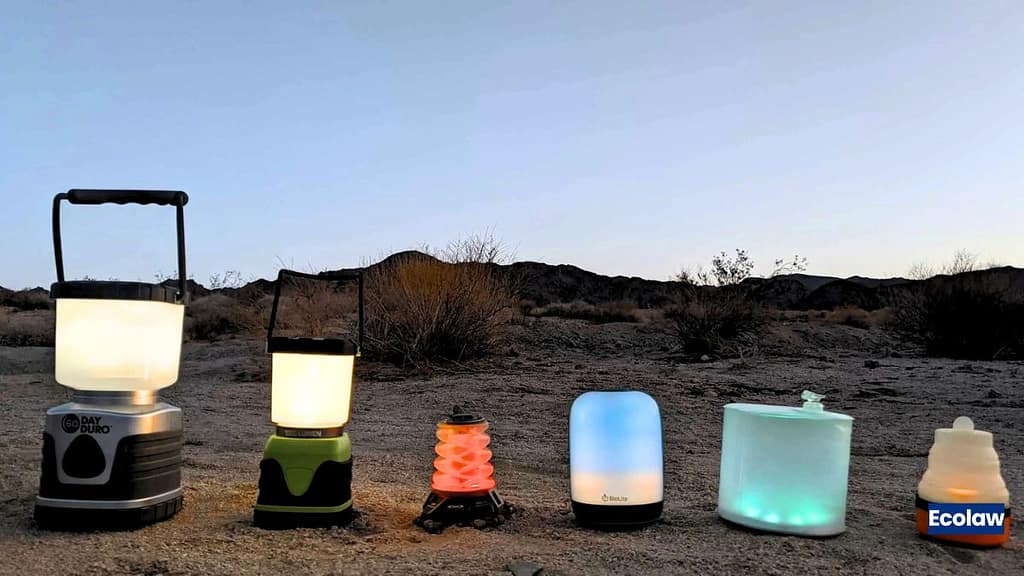
The problem with battery lanterns and candles: Battery-powered camping lanterns burn through AA or D-cell batteries at an alarming rate — expensive, wasteful, and always running out at the worst moment. Candles are a fire hazard and provide poor light for reading, cooking, or navigation.
They provide 8 to 20+ hours of clean, bright, adjustable LED light on a single charge.
Many models collapse flat for easy storage, are waterproof, and include emergency red SOS flash modes.
Some also feature a USB output for phone top-ups, turning a simple lantern into a versatile off-grid tool.
Solar-Powered LED Lanterns
Top-rated options include the MPOWERD Luci Outdoor Pro, LuminAID PackLite Max 2-in-1, and Goal Zero Lighthouse Mini. These compact solar lanterns provide bright, rechargeable lighting for camping, hiking, emergencies, backyard gatherings, and off-grid adventures.
9. Solar-Powered Bluetooth Speakers (Solar-Powered Alternatives)
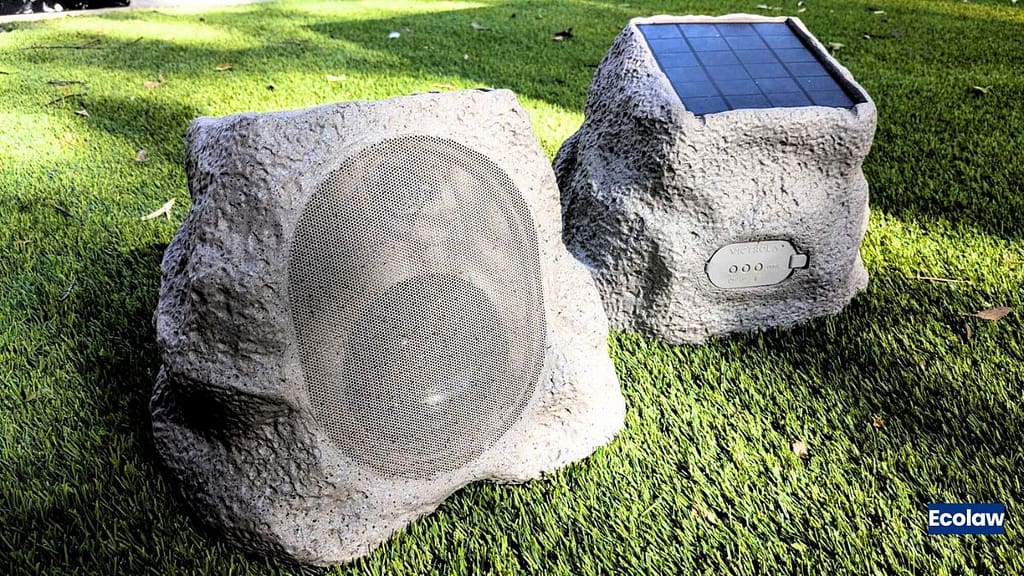
The problem with battery speakers: Outdoor Bluetooth speakers are great — until the battery dies mid-party, mid-hike, or mid-garden afternoon. Rechargeable speakers need regular plug-in time, and the more powerful the speaker, the faster the battery drains.
In full sunlight, many models can keep playing indefinitely throughout daytime activities.
Most are designed to be waterproof, floatable, and rugged, making them ideal for the beach, hiking trips, camping, and garden use.
Solar Bluetooth Speakers
Popular choices include the ABRAMTEK E600 Solar Bluetooth Speaker, Ecoxgear EcoBoulder Plus, and Quechua MH500 Solar Outdoor Speaker. These speakers combine wireless audio with built-in solar charging, making them ideal for camping, beach trips, hiking, backyard parties, and other outdoor adventures.
10. Solar-Powered Smartwatches and Fitness Trackers (Solar-Powered Alternatives)
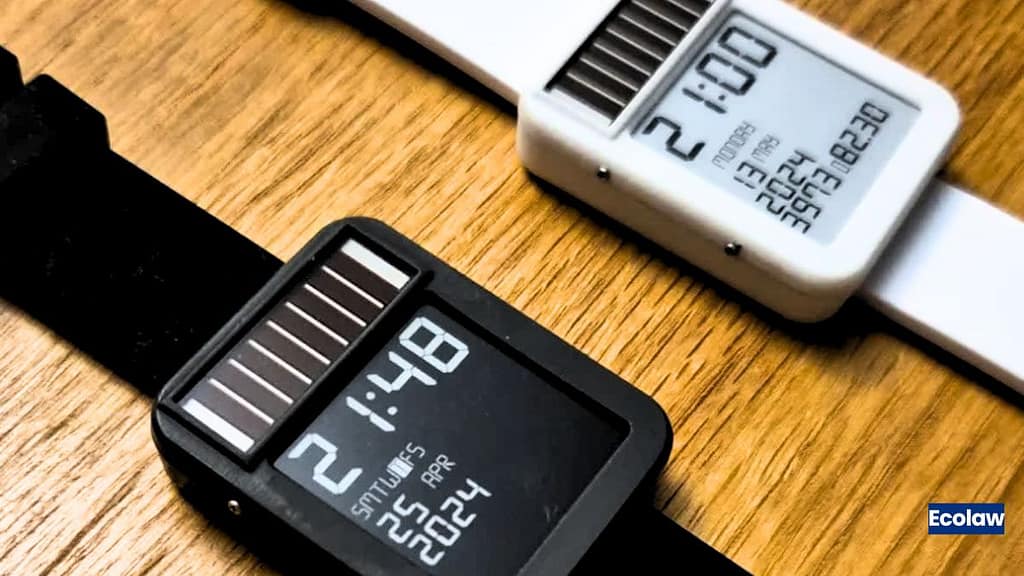
The problem with traditional wearables: The Achilles heel of every smartwatch and fitness tracker is battery life. Most require charging every 1–3 days — an annoying ritual that pulls you out of continuous health tracking and creates anxiety about whether your watch will last through the day.
In typical outdoor conditions, solar charging can reduce the need for recharging to as little as once every 1–3 weeks.
For outdoor enthusiasts and frequent travellers, some models even claim virtually unlimited battery life when used regularly in active outdoor environments.
Garmin’s Instinct Solar line is the most established in this category — rated for unlimited battery in smartwatch mode under standard solar conditions, with GPS tracking extending to 54+ hours with solar assist.
Solar-Assisted Smartwatches
Top-rated options include the Garmin Instinct 2 Solar, Garmin Fenix 7 Solar, Casio G-Shock GW-H1000, and Amazfit T-Rex 2 with Solar Assist. These watches use solar charging technology to extend battery life, making them ideal for hiking, camping, travel, fitness tracking, and outdoor adventures.
How Much Can You Actually Save by Going Solar on Daily Items?
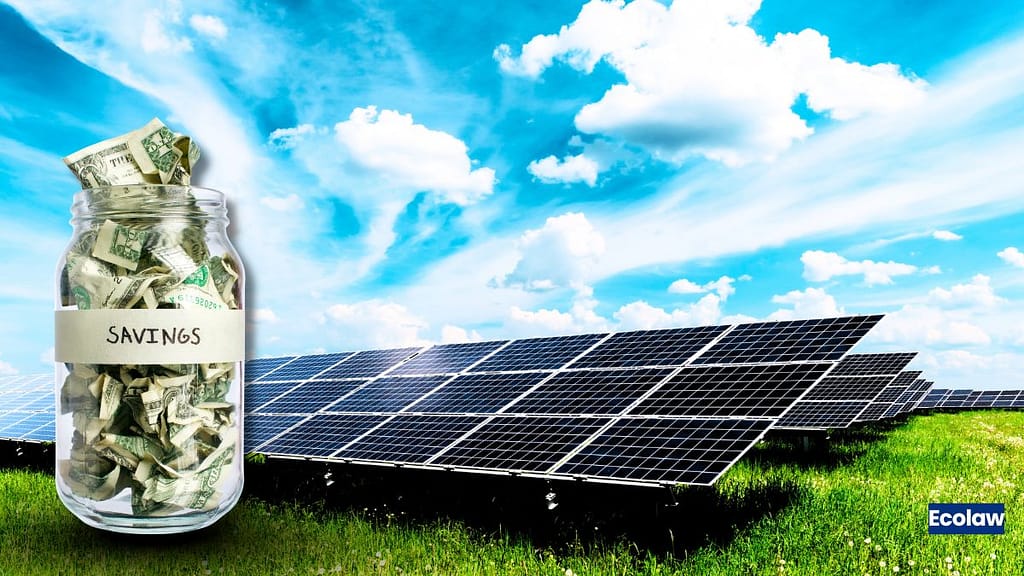
Switching individual items to solar alternatives will not replace a full home solar panel system — but the savings are real and stack meaningfully over time.
Here Is a Quick Breakdown
Save approximately $30–$80 per year in electricity costs, plus $0 installation cost compared to roughly $200–$800 for wired lighting systems.
Save around $15–$40 per year per camera in electricity costs while also avoiding battery replacement expenses of approximately $30–$60 annually.
Can reduce cooling costs by 10–15%, potentially saving $100–$300 per year on air-conditioning expenses.
Eliminates the need for daily device charging from the grid — a modest saving that adds up steadily over the years.
Can replace approximately $50–$150 per year in generator fuel and maintenance costs while providing clean, quiet power.
The cumulative picture is meaningful. And beyond the money, every solar-powered item you adopt reduces your dependency on a grid that still runs largely on fossil fuels. According to Aurora Solar’s 2025 Snapshot, 72% of homeowners who go solar do so primarily to reduce electricity bills. Solar daily items give you a zero-installation entry point into exactly that outcome.
Also Read: 20 Best Balcony Plants to Grow in Pots
Is It Worth Switching to Solar-Powered Alternatives?
Solar alternatives work best for items that are:
- ☀️ Located outdoors or in bright indoor spaces
- 🔋 Used during daylight hours or supported by adequate battery storage for night use
- 🔌 Currently powered by batteries or wired connections that are inconvenient to maintain
- 🏡 Installed in places where running electrical cable is difficult or expensive

They work less well for high-power indoor appliances — refrigerators, washing machines, and HVAC systems — where a full rooftop solar installation is the more appropriate solution.
But for the 10 categories in this guide? The solar alternative is ready, available, affordable, and in many cases genuinely better than what it replaces. The sun is already there. The only question is how much of it you are letting go to waste.
Discover more from EcoLaw
Subscribe to get the latest posts sent to your email.