The 21st century has been defined by rapid technological progress, globalization, and shifting geopolitical power. But it has also been marked by continuous military interventions, counterterrorism operations, drone warfare, and targeted strikes — many led by the United States.
Since the year 2000, the U.S. has conducted military operations or airstrikes in multiple countries across the Middle East, Africa, and South Asia. Some were full-scale invasions. Others were limited drone strikes or targeted operations against militant groups. Each action was authorized under different circumstances — often in response to terrorism, regional instability, or national security threats.
This guide breaks down every country where the U.S. has carried out military strikes in the 21st century and explains which president(s) authorized those actions — from George W. Bush to Barack Obama, Donald Trump, and Joe Biden.
Let’s dive in.
1. Afghanistan
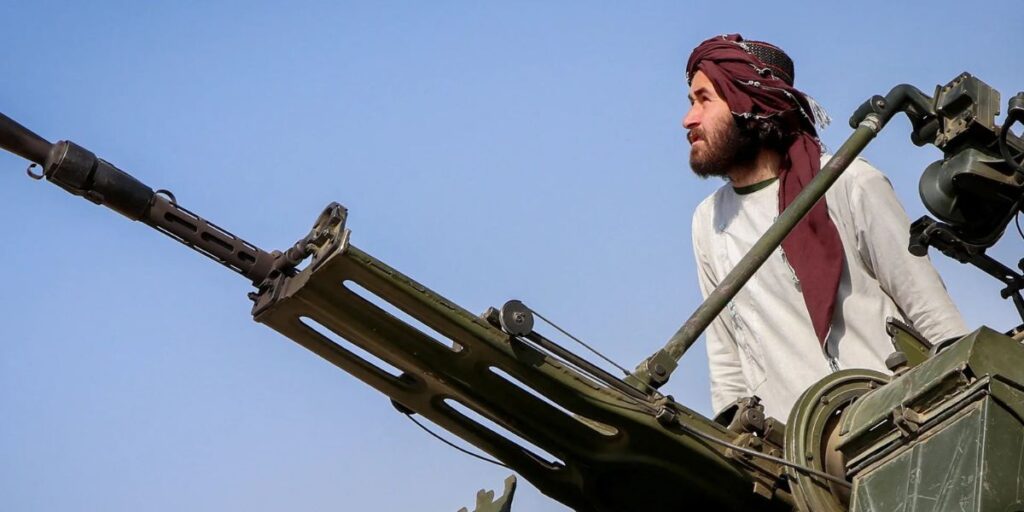
Presidents Involved: George W. Bush, Barack Obama, Donald Trump, Joe Biden
The longest war in U.S. history began after the September 11, 2001 terrorist attacks. Under President George W. Bush, the U.S. launched Operation Enduring Freedom in October 2001 to dismantle al-Qaeda and remove the Taliban from power.
Bush oversaw the initial invasion and occupation.
Obama expanded troop deployments in 2009 with a major surge but also began the gradual drawdown.
Trump negotiated a withdrawal agreement with the Taliban in 2020.
Biden finalized the withdrawal in 2021, ending America’s two-decade presence — though drone strikes continued even after ground forces left.
Afghanistan became the foundation of America’s modern counterterrorism strategy.
2. Iraq
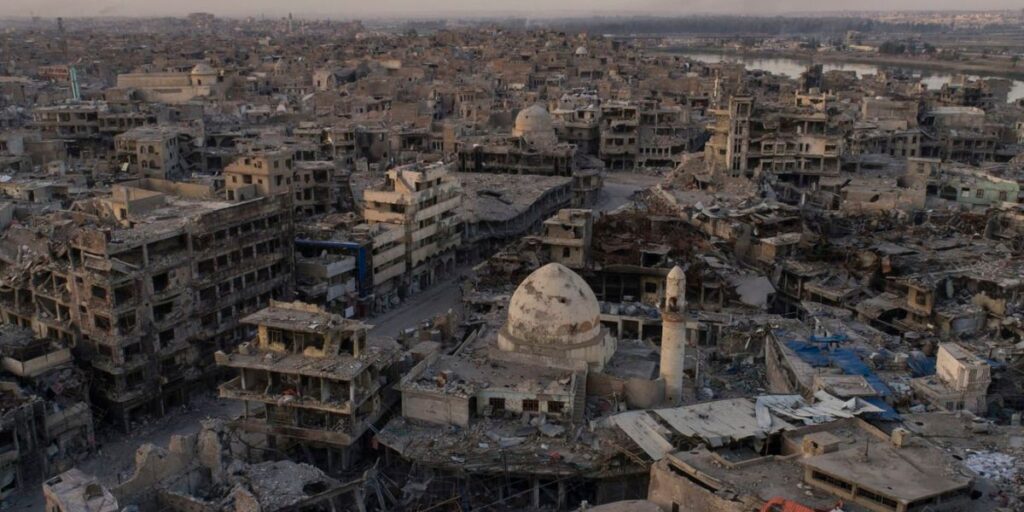
Presidents Involved: George W. Bush, Barack Obama, Joe Biden, Donald Trump
In 2003, President George W. Bush authorized the invasion of Iraq, citing weapons of mass destruction and links to terrorism. The war removed Saddam Hussein from power but led to years of insurgency and instability.
Obama inherited the war and officially ended combat operations in 2011, though U.S. forces returned in 2014 to fight ISIS.
Trump authorized additional airstrikes and ordered the killing of Iranian General Qassem Soleimani in Baghdad in 2020.
Biden has maintained limited operations against ISIS remnants.
Iraq remains one of the most consequential U.S. military engagements of the century.
3. Syria
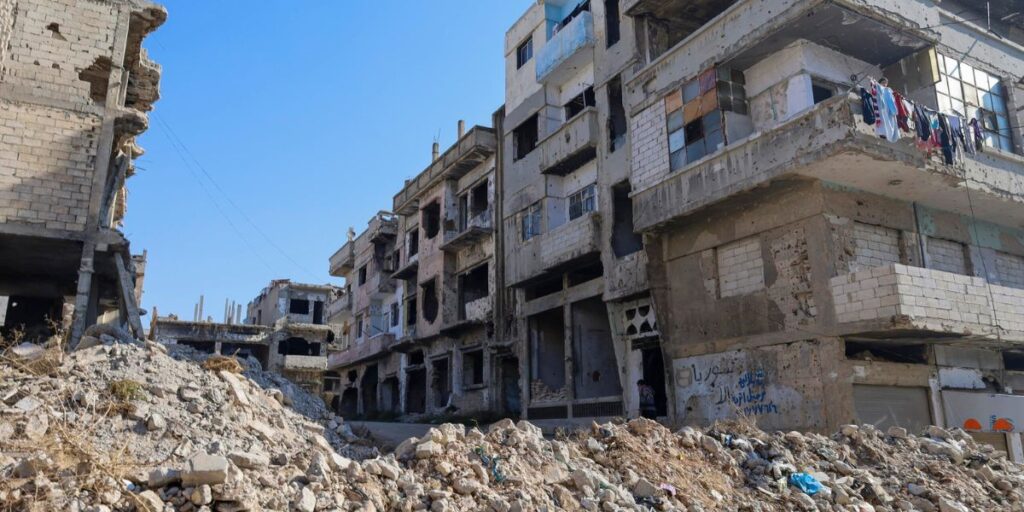
Presidents Involved: Barack Obama, Donald Trump, Joe Biden
The Syrian Civil War created a complex battlefield involving ISIS, Kurdish forces, the Assad regime, Russia, and Iran.
Obama authorized airstrikes in 2014 targeting ISIS strongholds.
Trump ordered missile strikes against Syrian government facilities in 2017 and 2018 in response to alleged chemical weapons attacks.
Biden has continued targeted strikes against extremist groups and Iran-backed militias operating in the region.
Syria represents the modern era of limited, precision-based military intervention.
4. Libya

Presidents Involved: Barack Obama, Donald Trump
In 2011, during the Arab Spring, President Obama authorized U.S. participation in a NATO-led intervention aimed at protecting civilians from Libyan leader Muammar Gaddafi.
The campaign resulted in Gaddafi’s removal but left Libya politically fragmented.
Later, under Trump, the U.S. conducted additional airstrikes targeting ISIS fighters operating within Libya’s borders.
Libya highlights the risks of regime change without long-term stabilization.
5. Pakistan
Presidents Involved: George W. Bush, Barack Obama, Donald Trump
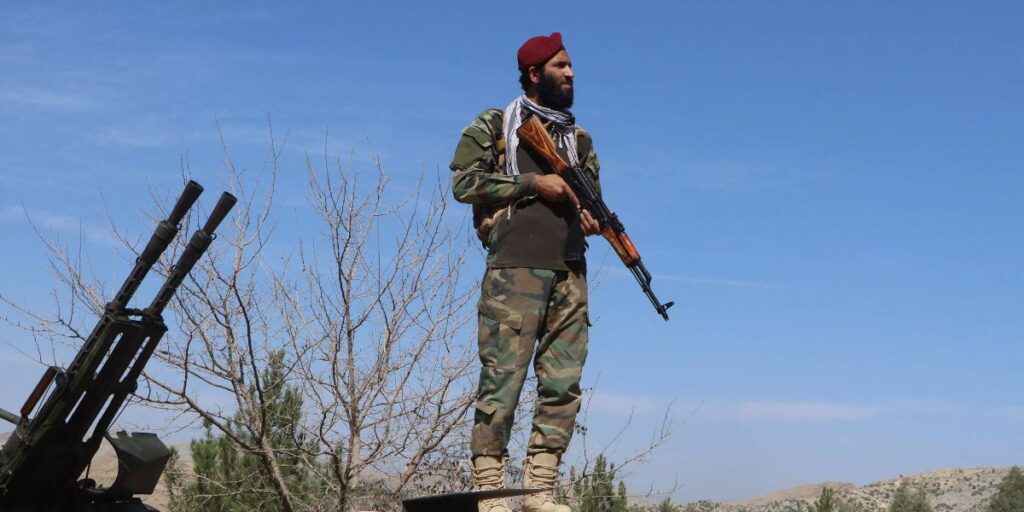
While Pakistan was officially a U.S. ally in the war on terror, it also became a frequent target of drone strikes, particularly in tribal regions.
Bush initiated early drone programs.
Obama dramatically expanded drone warfare, using precision strikes against Taliban and al-Qaeda targets.
Trump loosened restrictions on drone operations, increasing the pace of strikes.
The most notable operation in Pakistan was the 2011 raid that killed Osama bin Laden under Obama’s authorization.
6. Yemen
Presidents Involved: George W. Bush, Barack Obama, Donald Trump, Joe Biden
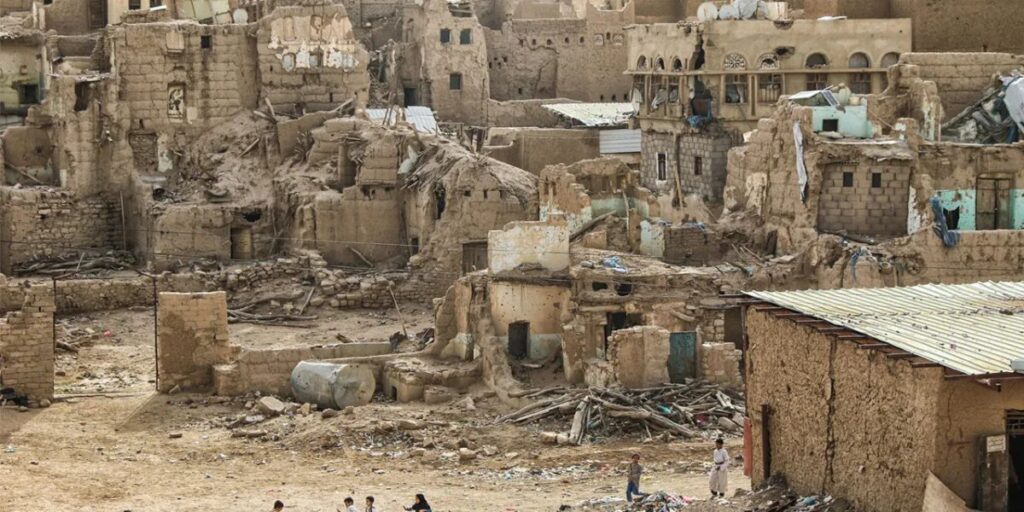
Yemen has seen consistent U.S. counterterrorism operations targeting al-Qaeda in the Arabian Peninsula (AQAP).
Bush authorized early counterterror actions.
Obama increased drone strikes significantly.
Trump escalated operations and reduced transparency requirements.
Biden has continued limited strikes while also attempting diplomatic solutions to Yemen’s broader civil war.
Yemen became central to America’s drone warfare strategy.
7. Somalia

Presidents Involved: George W. Bush, Barack Obama, Donald Trump, Joe Biden
Somalia has been a battleground against al-Shabaab, an extremist militant group.
Bush began limited operations.
Obama expanded airstrikes and special forces missions.
Trump classified parts of Somalia as an “area of active hostilities,” accelerating strike frequency.
Biden restored a limited U.S. troop presence in 2022.
Somalia reflects the shift toward long-term, low-visibility counterterror missions.
8. Iran
President Involved: Donald Trump
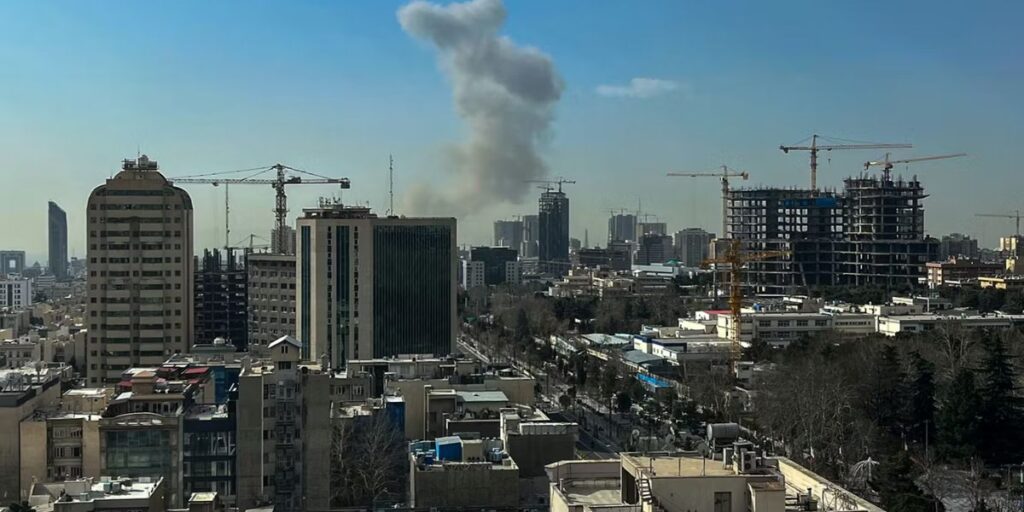
While the U.S. has not launched a full-scale war against Iran in the 21st century, Trump authorized a high-profile strike in January 2020 that killed Iranian General Qassem Soleimani in Iraq.
The strike dramatically escalated tensions between the two countries and nearly triggered a broader regional conflict.
This remains one of the most controversial targeted killings in recent history.
9. Nigeria

President Involved: Donald Trump
U.S. airstrikes in Nigeria have primarily targeted ISIS-affiliated militants in coordination with regional counterterror efforts.
Though less publicized, these operations reflect the expanding geographic scope of American counterterrorism policy into West Africa.
10. Venezuela
President Involved: Donald Trump
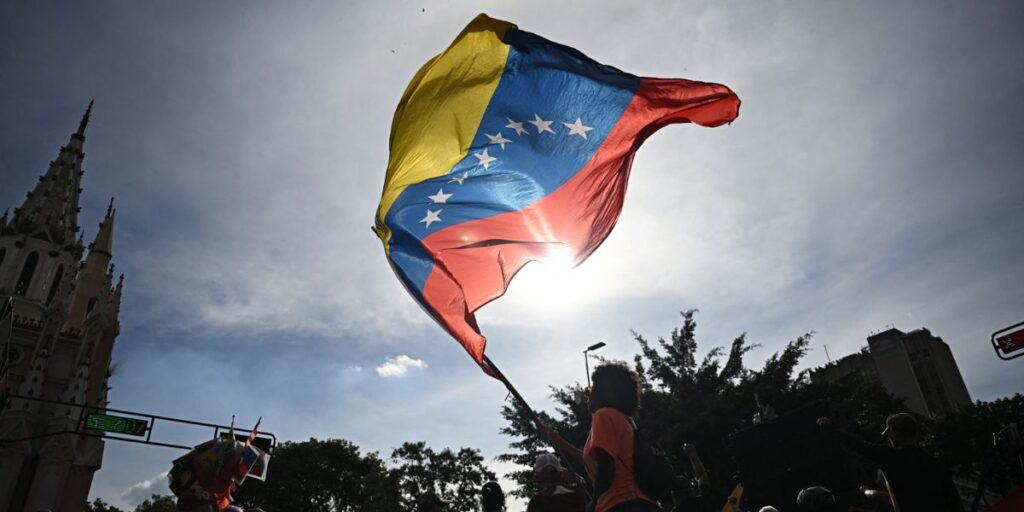
The U.S. has not launched a conventional war against Venezuela, but military actions and covert operations have been reported amid tensions with President Nicolás Maduro’s government.
Trump’s administration applied heavy sanctions and maintained military pressure in the region.
The Evolution of U.S. Military Strategy in the 21st Century
Across these countries, one clear pattern emerges: the nature of American warfare has transformed dramatically.
From Full Invasions to Drone Warfare
The early 2000s were marked by large-scale invasions (Afghanistan, Iraq).
By the 2010s, strategy shifted toward:
- Drone strikes
- Special forces operations
- Targeted assassinations
- Coalition air campaigns
This change reflects technological advances and public fatigue with long ground wars.
The Role of the 2001 Authorization for Use of Military Force (AUMF)
Much of the legal foundation for these actions stems from the 2001 AUMF passed after 9/11. This authorization has been used by multiple presidents to justify military action in countries far beyond Afghanistan.
Critics argue it has allowed nearly unlimited global military engagement without new congressional approval.
Which President Authorized the Most Countries?
If we look at the number of countries involved:
- George W. Bush initiated large-scale wars and early drone programs.
- Barack Obama expanded drone warfare dramatically and authorized interventions in Libya and Syria.
- Donald Trump authorized strikes in multiple regions including Iran and Nigeria, while easing military engagement rules.
- Joe Biden has maintained counterterrorism strikes but focused more on ending long wars.
Each president operated under different global circumstances, but all have used military force outside U.S. borders.
The Bigger Picture: Why These Strikes Happened
The reasons behind these actions generally fall into five categories:
- Counterterrorism after 9/11
- Fighting ISIS expansion
- Protecting U.S. personnel and allies
- Responding to chemical weapons use
- Preventing regional instability
Supporters argue these interventions prevent attacks and maintain global security.
Critics argue they create instability, civilian casualties, and endless conflict.
How Warfare Changed Public Perception
In the early 2000s, U.S. military action received broad bipartisan support. Over time, public opinion shifted due to:
- Length of wars
- High financial costs
- Civilian casualty reports
- Lack of clear victory outcomes
This shift influenced later presidents to avoid large troop deployments.