

- How to Complete the Copyright Registration Procedure in India for Software and Online Content - August 30, 2026
- Provisional Patent Filing Process in India: Complete Guide to Costs, Forms and Deadlines - August 26, 2026
- Trademark Opposition Rules in India: Timeline & Evidence Filing - August 20, 2026
This guide walks you through the complete, up-to-date step-by-step process to register a cyber crime complaint online in India (2026), including categories, required evidence, escalation options, and practical tips to increase the chances of a fast response. Read this single-page manual to file complaints for hacked or impersonated Instagram accounts, online fraud, data breaches, stalking, and other cyber offenses.
Table of Content
Table of Contents
Overview and purpose
India’s digital landscape continues to grow rapidly, and so do cyber harms—from account takeovers and impersonation to financial scams and privacy breaches. Filing a well-prepared cyber crime complaint online establishes a legal record, triggers investigations by cyber cells or intermediaries, and helps create a paper trail that financial institutions, platforms, and courts can act upon. This guide is practical: follow the numbered steps, use the evidence checklist, and apply the escalation pathways when necessary.
Step 1 — Determine the right complaint channel
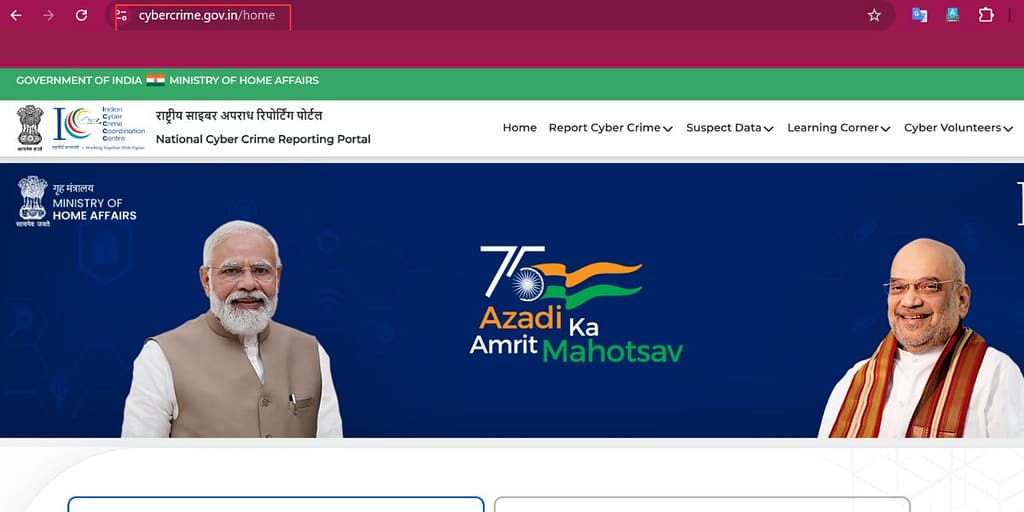
Start by deciding where your complaint belongs. For most general cyber incidents, the National Cyber Crime Reporting Portal is the correct entry point for online complaints in India. Specialized complaints (banking/UPI fraud, cyber terrorism, child sexual abuse material, and crimes against women/children) may have separate forms or priority lanes on the portal. If the offense is financial and immediate (money transferred, UPI/UPI PIN disclosure, card fraud), also contact your bank and note the UTR/transaction ID as evidence.
Step 2 — Prepare identity and contact details
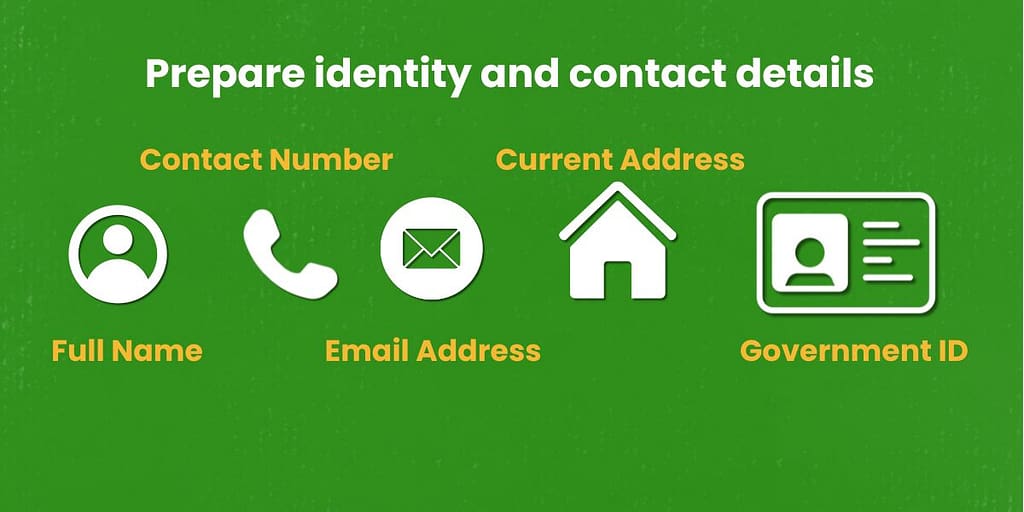
Before you begin, assemble these personal details: full name, mobile number (for OTP verification), valid email address, current residential address, and government ID (Aadhaar/Passport/PAN) details if you expect offline follow-up. Use an email and phone number you actively check because the portal and investigating officers will communicate using these. If you represent a business, keep company registration details and an authorized contact person’s identity ready.
Step 3 — Categorize the incident correctly

Choosing the correct category speeds up routing. Typical categories include:
- Social Media Abuse / Impersonation (for fake Instagram profiles, fake pages).
- Online Fraud / Financial Fraud (for scams, phishing, UPI/Credit-card fraud).
- Hacking / Unauthorized Access (for account takeovers, credential stuffing).
- Cyber Stalking / Harassment (for repeated threats, sexual harassment).
- Data Theft / Privacy Violation (for leaks of personal data, doxing).
If uncertain, pick the closest match and explain details in the description field — investigators can reclassify if needed.
Step 4 — Collect evidence (must-have list)
Strong evidence is the backbone of an effective complaint. Gather:
- Screenshots of offending posts, profile pages, messages, and comments (ensure usernames and timestamps are visible).
- Direct links (URLs) to profiles, posts, or pages.
- Exported chat logs where available (WhatsApp export, Instagram message screenshots).
- Transaction records, UTR/IFSC/bank receipt or payment screenshots for financial fraud.
- Email headers (with full source details) for phishing or spoof emails.
- Device notifications or login alerts showing suspicious logins, IP addresses, or device names.
- A brief written timeline (one paragraph per incident date) describing what happened and when.
Store these in a single folder and make readable, clearly named files (e.g., 2026-07-12_ig_fake_profile.png).
Step 5 — Register on the portal and log in
Open the official national cyber crime portal (use the government domain — verify it’s the correct official URL) and choose the “Report Other Cyber Crime” or the category that best fits your case. Register using your mobile number (OTP verification). Remember that initial portal complaints are often treated as reports/first information but may not itself be an FIR — investigators may ask you to visit a police station for FIR registration if required.
Step 6 — Fill the complaint form (writing the incident)
When you reach the complaint form, be concise but factual. Use the timeline you prepared and include:
- A clear subject line: e.g., “Impersonation and Fraud on Instagram — Fake Profile using my photos.”
- The accused handle or profile link (copy-paste full URL).
- Exact dates and times for when you first noticed the activity.
- A short description in bullet form: what happened, what you lost (money/reputation), and what you want (investigation, removal, FIR).
- Attach the evidence files you prepared.
Do not use aggressive or emotional language — keep it objective to aid investigators.
Step 7 — Submit and save acknowledgment
After submission, the portal will issue an acknowledgment/reference number. Save or screenshot this acknowledgment immediately. This number is your proof of filing and is necessary for follow-up, tracking status, or escalation if action stalls. Make note of the date and time you submitted the complaint.
Step 8 — Immediate follow-up actions
- For financial loss: contact your bank and raise a chargeback/dispute; provide them the complaint reference number and ask for transaction reversal/investigation.
- For account takeovers or impersonation on Instagram: report the profile in-app (three dots → Report → Impersonation/Hacked Account) and use Instagram’s “My account was hacked” flow when possible — include a link back to your cyber complaint in communications.
- If threats, blackmail, or sexual exploitation are involved: contact the local police or cyber police station and request an FIR; for women and children-related offenses, the portal often provides a faster track.
- For time-sensitive scams, call the national cyber helpline number if available (check the portal for the latest helpline info).
Step 9 — How investigators proceed
After your complaint is received, cyber crime investigators may:
- Acknowledge receipt and ask for additional documents or clarification.
- Contact the intermediary/platform (Instagram/Meta) for account/user data or removal requests.
- Coordinate with the cyber forensic team to trace IP addresses, device fingerprints, and transaction flows.
- Request you to file an FIR at the cyber police station for full criminal investigation and evidence preservation.
Investigations take time; maintain records of all communications, and respond promptly to information requests.
Step 10 — Escalation if there is no action
If you get no substantive response within a reasonable timeframe (commonly 7–14 days depending on case severity), escalate:
- Re-open the portal complaint and add comments with the acknowledgment number.
- Visit the local cyber police station and provide the portal reference and evidence folder.
- Escalate to senior police officials (DCP/SP for cyber), and copy the portal grievance/escalation contact if available.
- For banking delays, approach the bank ombudsman or RBI grievance cell with the complaint reference.
Document every step so you can present a timeline of escalation.
Evidence preservation and legal cautions
Do not delete offending content until investigators advise otherwise; deleting may remove crucial metadata. Avoid editing screenshots or images that alter dates/time fields. Preserve original files and metadata if possible; forensic teams can extract more from unaltered files. When sharing evidence publicly to seek help, blur sensitive personal data and avoid posting full screenshots with other people’s private information.
What to include in a written complaint (sample text)
Use this template and paste into the portal description box (edit to match facts):
“I am (Your Full Name). On (date) I discovered a fake Instagram account using my name and photographs, with username (provide link). The account has sent/posted (describe specific harm — e.g., messages asking for money, abusive content). I attach screenshots and transaction evidence where applicable. I request investigation, removal of the account, and legal action to identify the perpetrator. Complaint submitted via National Cyber Crime Reporting Portal on (submission date). Acknowledgement number: (portal ref).”
This short paragraph helps investigators quickly grasp the case.
Special cases: impersonation of businesses and brands
If you represent a brand, the consequences include reputational damage and customer fraud. For brand impersonation:
- Provide trademark registration (if any), company incorporation documents, and power of attorney for the person filing.
- Supply customer complaints showing confusion or financial loss caused by the fake account.
- Inform the platform (Instagram) via verified business channels and the portal simultaneously to fast-track content removal.
FAQ
Can I file anonymously?
The portal may allow limited anonymous reporting for certain categories (e.g., crimes against women/children) but providing contact details improves investigation quality.
Will the portal restore my hacked account?
The portal facilitates investigation; account restoration is primarily handled by Instagram’s support and recovery flows. The cyber complaint supports legal action and evidence gathering.
How long before I see action?
Response time varies; urgent financial frauds may get faster attention, while identity or harassment cases may take several weeks for a full investigation.
Do I need a lawyer?
You can file personally; a lawyer helps for complex escalations or when seeking compensation, preservation orders, or cross-border evidence requests.
Privacy and safety tips while you wait
- Change passwords on all linked services, enable 2FA, and remove suspicious third-party apps.
- Alert close contacts if a fake account is contacting them to prevent further spread.
- Keep copies of every message and communication related to the incident.
- Avoid negotiating with extortionists; save messages and involve police immediately.
How to get platform data and intermediary cooperation
Investigating officers can request data from platforms under legal provisions; however, platforms require due process and may need a formal legal request or court order to share user data. The portal’s coordination with Meta/Instagram will often focus on removing offending content quickly, while preservation of deeper user data for identity tracing may require an FIR or legal notice.
Cross-border and international incidents
If the perpetrator is outside India, the investigation may involve mutual legal assistance, extradition requests, or platform cooperation from foreign jurisdictions. Such cases can be slower and may require additional legal support and patience.
Useful resources and links (verify official sites)
- National Cyber Crime Reporting Portal (official government portal).
- Platform-specific help centers (Instagram Help Center’s report options).
- Local cyber cell contact details (available on state police websites).
Always verify official domains and helplines from government sources to avoid phishing.
Checklist: what to do in the first 24 hours
- Document everything: screenshots, links, and a timeline.
- Report within the platform (Instagram) and file the cyber complaint online.
- Contact your bank/support if money is involved; save UTR/transaction IDs.
- Secure your account (passwords, 2FA, revoke suspicious apps).
- Note acknowledgment/reference numbers and mark calendar for follow-up.
Filing a cyber crime complaint online in India in 2026 is a practical, necessary step for justice and mitigation against digital harms. The key to success is speed, clear evidence, and consistent follow-up. Use the portal to create a legal record, but remember that platform recovery and bank reversals require parallel action. If the case is complex or cross-border, consider legal counsel who specializes in cyber law.
Would you like a downloadable two-page PDF checklist and a ready-to-copy complaint template (print-ready) that you can attach to the portal and hand to local police?
Discover more from EcoLaw
Subscribe to get the latest posts sent to your email.