

- Trademark Opposition Rules in India: Timeline & Evidence Filing - August 20, 2026
- Trademark Class 35 Search: What E-Commerce, Retail and Agency Brands Must File in India - August 17, 2026
- Trademark Hearing Process in India: What to Expect at the TMO - August 16, 2026
In a significant cultural and national development, the Union Home Ministry (MHA) has issued a fresh directive stating that all six stanzas of the national song ‘Vande Mataram’ will now be sung or played at official functions and government events across India.
The order, dated February 6, 2026, establishes the official version of the national song and introduces new protocols regarding when and how it should be performed. The announcement coincides with the 150th anniversary of ‘Vande Mataram’, adding historical importance to the decision.
All Six Stanzas of Vande Mataram Now Official
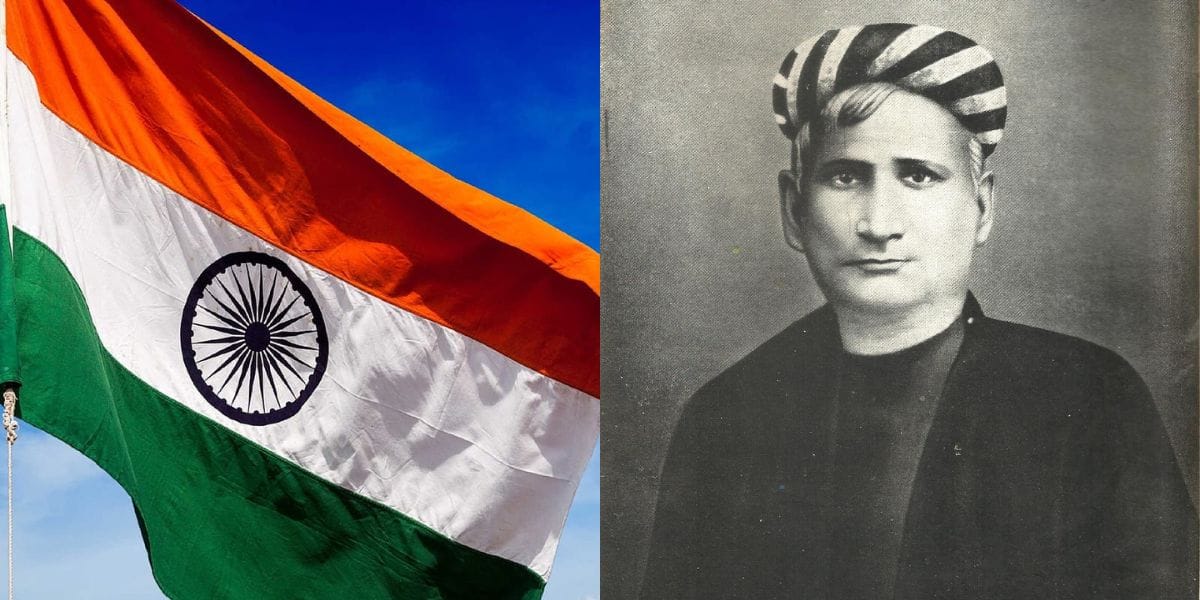
According to the Home Ministry, the official version of ‘Vande Mataram’ will include all six original stanzas composed by Bankim Chandra Chatterjee.
Earlier, only the first two stanzas were commonly used at official functions, while the last four were dropped during the Jawaharlal Nehru government era, reportedly to maintain the song’s broader secular acceptance.
The new directive restores the complete composition and confirms that:
- The total duration of the national song will be 3 minutes and 10 seconds
- All six stanzas must be included in official performances
- Proper protocols and respect must be maintained during its rendition
When ‘Vande Mataram’ Will Be Played

The Home Ministry has clearly listed the occasions where the national song must be played or sung:
1. Official State Functions
‘Vande Mataram’ will be played at:
- Official state ceremonies
- Civilian award and honour functions
- Government-organised events attended by the President of India
At events attended by the President, the song will be played both on arrival and departure.
2. Flag and Parade Ceremonies
The national song will also be played:
- When the national flag is brought to a parade
- At cultural and government events where the flag is hoisted
3. Schools and Cultural Events
As per the new guidelines:
- Morning assemblies in all schools must include group singing of ‘Vande Mataram’
- It should be sung at cultural events and public functions
- It may also be performed when the President arrives or leaves public events
The government can also mandate the song at any additional occasion through future official orders.
Protocols to Follow During the Song
The MHA has issued specific instructions to maintain respect for the national song:
- All audience members must stand in attention when ‘Vande Mataram’ is played
- Proper decorum and honour must be observed
- However, standing is not mandatory in cinema halls when the song plays as part of a movie or newsreel, as it may disturb viewing and public order
These guidelines aim to ensure uniform respect and clarity regarding the national song across India.
Historical Significance of Vande Mataram
‘Vande Mataram’ was written by Bankim Chandra Chatterjee in the 1870s and later included in his novel Anandamath. It became a powerful symbol during India’s freedom movement and inspired countless freedom fighters.
While ‘Jana Gana Mana’ is India’s national anthem, ‘Vande Mataram’ holds the status of national song, carrying deep cultural and patriotic value.
The year 2026 marks 150 years since its creation, making the government’s directive even more symbolic.
Impact of the New MHA Order
The new guidelines are expected to:
- Standardize the official version of the national song
- Increase its presence in public and government events
- Promote cultural and patriotic awareness among students and citizens
- Reignite discussions around national identity and heritage
As India celebrates the 150th anniversary of ‘Vande Mataram’, the Home Ministry’s directive reinforces its importance in national life and ensures that the complete original composition is honoured at official and public platforms.
Discover more from EcoLaw
Subscribe to get the latest posts sent to your email.