
- How to Complete the Copyright Registration Procedure in India for Software and Online Content - August 30, 2026
- Provisional Patent Filing Process in India: Complete Guide to Costs, Forms and Deadlines - August 26, 2026
- Trademark Opposition Rules in India: Timeline & Evidence Filing - August 20, 2026
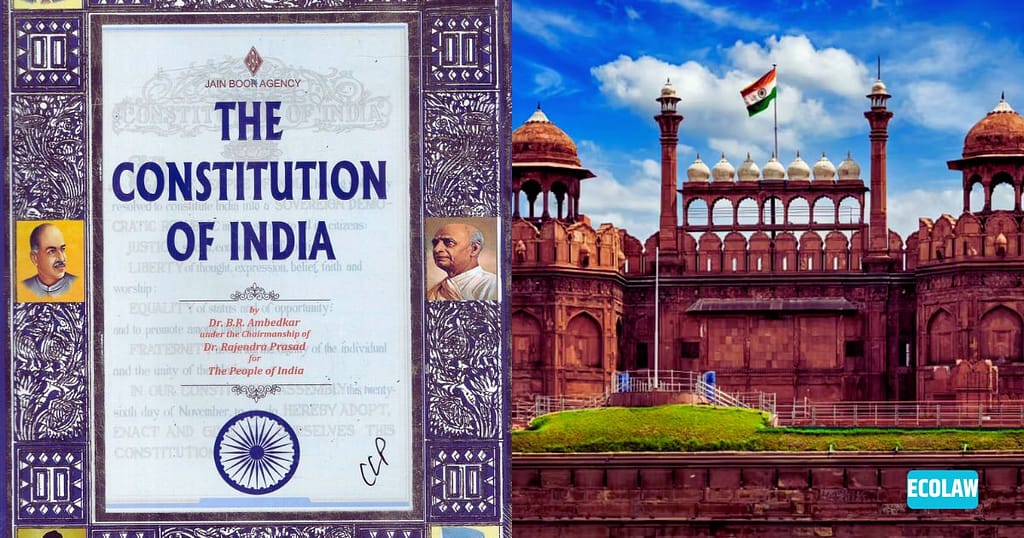
Have you ever wondered what makes democracy strong? It’s not just elections or leaders—it’s the rights that every citizen enjoys. Fundamental Rights are the backbone of a free society, protecting people from abuse of power and ensuring equality, freedom, and dignity. In 2025, when technology and governance are evolving faster than ever, knowing your rights isn’t just important—it’s essential.
What Are Fundamental Rights?
Fundamental Rights are the guaranteed freedoms given to every citizen by the Constitution. They act as a shield against misuse of authority and a sword for citizens to demand justice. Think of them as the “safety net” that keeps democracy alive and fair for all.
Right to Equality

The first and most powerful right is Equality. Everyone is equal before the law—whether rich or poor, man or woman, majority or minority.
- No Discrimination: Nobody can be discriminated against based on caste, gender, religion, or race.
- Equal Opportunity: Public jobs must be given based on merit, not bias.
- End of Untouchability: Practices like untouchability are not just illegal but unconstitutional.
Right to Freedom

What’s life without freedom? This right ensures every citizen can live with dignity and liberty.
- Speech and Expression: Say your opinion, question the government, and express yourself—responsibly.
- Peaceful Assembly: You can protest peacefully without violence.
- Form Associations: From student unions to NGOs, citizens can form groups.
- Move and Settle Anywhere: Travel across India freely and choose your home.
- Profession and Trade: Choose your career or business without restrictions, except in areas concerning law and security.
Right Against Exploitation

Freedom means nothing if people are still exploited.
- No Human Trafficking: Buying and selling humans is strictly banned.
- Child Labor Ban: Children below 14 cannot be forced into dangerous jobs.
- No Forced Labor: Nobody can be forced to work without pay or against their will.
Right to Freedom of Religion
India’s diversity is its strength, and this right guarantees respect for all faiths.
- Freedom to Practice: Follow your religion freely.
- Manage Institutions: Religious groups can manage their own places of worship.
- Secular State: Government remains neutral—neither favoring nor suppressing any faith.
Cultural and Educational Rights
Minorities get special protection to keep their culture alive.
- Cultural Safeguards: No community can be forced to abandon its language or traditions.
- Educational Institutions: Minorities can run their own schools and colleges.
Right to Constitutional Remedies

This right is like the “guardian angel” of all others. If any right is violated, you can go to the court.
- Supreme Court & High Courts: Citizens can directly approach them.
- Writs: Habeas Corpus (release a person), Mandamus (do your duty), Prohibition (stop illegal action), Certiorari (review order), and Quo Warranto (question authority).
Right to Privacy (Evolved Right)

In 2017, the Supreme Court declared privacy a fundamental right. In 2025, with data leaks and AI surveillance, this right is more crucial than ever. From your WhatsApp chats to medical data—your privacy is your right.
Right to Education
Education is the true equalizer.
- Free Education: Every child between 6–14 years has the right to free and compulsory education.
- RTE Act: Ensures schools provide quality education without discrimination.
Right to Environment (Emerging Right)
What good are rights if the planet is dying? Courts have linked a clean environment with the Right to Life. Citizens have the right to clean air, safe water, and sustainable development.
Balancing Rights and Duties
Rights come with responsibilities. For example, freedom of speech doesn’t mean spreading hate. The Constitution allows reasonable restrictions to maintain harmony and security. Along with rights, citizens must follow Fundamental Duties like respecting the Constitution and protecting public property.
How Fundamental Rights Are Protected
The judiciary is the watchdog. Courts act whenever rights are violated. But citizens too must remain aware and raise their voice. After all, rights that are not exercised are as good as rights that don’t exist.
Also Read: 10 Laws That Affect Your Daily Life Without You Knowing
Challenges in 2025
With progress comes new challenges.
- Digital Surveillance: Governments and companies collecting personal data.
- Hate Speech: Balancing free speech with preventing violence.
- National Security vs Freedom: Finding the middle ground between protecting the nation and protecting individual liberty.
Conclusion
Fundamental Rights are the lifeline of democracy. In 2025, where technology and governance are reshaping society, awareness of these rights is power. Every citizen must know, protect, and exercise them—not just for themselves, but for the nation’s future.
FAQs
1. Why are fundamental rights important?
They protect citizens from misuse of power and guarantee freedom, equality, and dignity.
2. Is the Right to Privacy a fundamental right?
Yes, since 2017, privacy is recognized as part of the Right to Life under Article 21.
3. Can fundamental rights be suspended?
Yes, during a national emergency, some rights may be restricted.
4. Are foreigners entitled to fundamental rights in India?
Some rights apply to everyone (like equality before law), while others are exclusive to citizens (like freedom of speech).
5. What should I do if my rights are violated?
You can directly approach the Supreme Court or High Court under the Right to Constitutional Remedies.
Discover more from EcoLaw
Subscribe to get the latest posts sent to your email.